Struggling with meal prep? Get my 20 Healthy Recipes for Mom & Baby for FREE!
Why Sugar Is Hurting Your Family — And What to Use Instead
Disclosure: This post contains affiliate links. If you click through and make a purchase, I may receive a commission at no additional cost to you. I only recommend products I truly love and use.
You already know sugar isn't great for you. But do you know what it's actually doing inside your body — and inside your children's bodies — every single day?
Most of us grew up thinking sugar was a sometimes-treat, a reward, a birthday-cake ingredient. What we weren't told is that sugar is now hidden in almost everything — pasta sauce, bread, salad dressing, flavoured yogurt, cereal marketed as "healthy." The average person consumes far more than they realise, and the effects build up quietly over months and years.
This article isn't about fear. It's about facts, clarity, and practical swaps you can start making this week — for yourself and for your family.
How much sugar are we actually eating?
The numbers are striking. The World Health Organization recommends that added sugars make up no more than 10% of total daily energy — ideally less than 5% for additional health benefits. For an average adult woman, that's around 25g of added sugar per day, roughly 6 teaspoons.
17
teaspoons
avg. daily intake
6
teaspoons
recommended max
57 kg
sugar per
person per year
Children are often eating even more, because sugar is disproportionately present in the foods marketed to them — breakfast cereals, fruit drinks, flavoured snacks, and yogurt pouches. Many parents are genuinely shocked when they start reading labels.
Quick label check: A single 200ml carton of apple juice can contain up to 24g of sugar — nearly a full day's recommended amount for a child, and it offers almost no fibre to slow the absorption.
What sugar actually does to your body?
Sugar is not inherently evil. Your brain and muscles run on glucose — a form of sugar — and natural sugars found in whole fruit and dairy come packaged with fibre, vitamins, and minerals that slow absorption and nourish the body. The issue is added sugar: the refined kind stripped of any nutritional value and added to processed foods to make them taste better and sell more.
Here is what happens when you consistently consume too much of it:
What excess added sugar does over time
Blood sugar spikes and crashes.Every time you eat added sugar, your blood sugar rises quickly. Your body releases insulin to bring it back down — often overshooting, leaving you tired, irritable, and craving more sugar. This cycle repeats all day.
Chronic inflammation.High sugar intake promotes inflammatory responses throughout the body, which is linked over time to joint pain, skin issues, digestive problems, and increased risk of chronic disease.
Liver stress.Fructose — one half of table sugar — is processed almost entirely by the liver. When we eat more than the liver can handle, it converts the excess into fat. Over years, this can contribute to non-alcoholic fatty liver disease.
Impact on children's concentration and mood.The blood sugar rollercoaster is especially pronounced in children, whose smaller bodies process sugar faster. This is often behind the post-snack moodiness and attention dips many parents notice.
Increased risk of tooth decay.Sugar feeds the bacteria in the mouth that produce acid, which erodes enamel. Children who regularly consume sugary snacks and drinks are significantly more at risk.
Disrupted hunger signals.Added sugar — particularly fructose — doesn't trigger the same satiety hormones as protein and fat, meaning you can consume a lot of it without feeling full.
None of this means a slice of birthday cake will harm your child. Context always matters. What matters is the daily baseline — the sugar that quietly accumulates through ordinary, everyday foods that don't even taste particularly sweet.
The sneaky places sugar hides
One of the most useful things you can do as a parent and as someone managing your own health is to learn sugar's many aliases on a food label. Manufacturers use over 60 different names for added sugar, which makes it very easy to miss.
Common disguises include: dextrose, maltose, sucrose, cane juice, corn syrup, rice syrup, agave nectar, barley malt, treacle, and fruit juice concentrate. If any of these appear in the first three ingredients of a product, sugar is a major component — regardless of what the front of the package claims.
The foods that surprise people most? Pasta sauce (up to 12g per serving), flavoured oat pouches (up to 15g), low-fat salad dressings (manufacturers replace fat with sugar to maintain flavour), store-bought smoothies, and "natural" cereal bars.
5 natural sugar alternatives — and how to use them
The good news is that reducing added sugar does not mean living without sweetness. There are several natural alternatives that provide sweetness with a lower glycaemic impact, additional nutrients, or both. Here are the five most practical for family cooking:
Raw honey
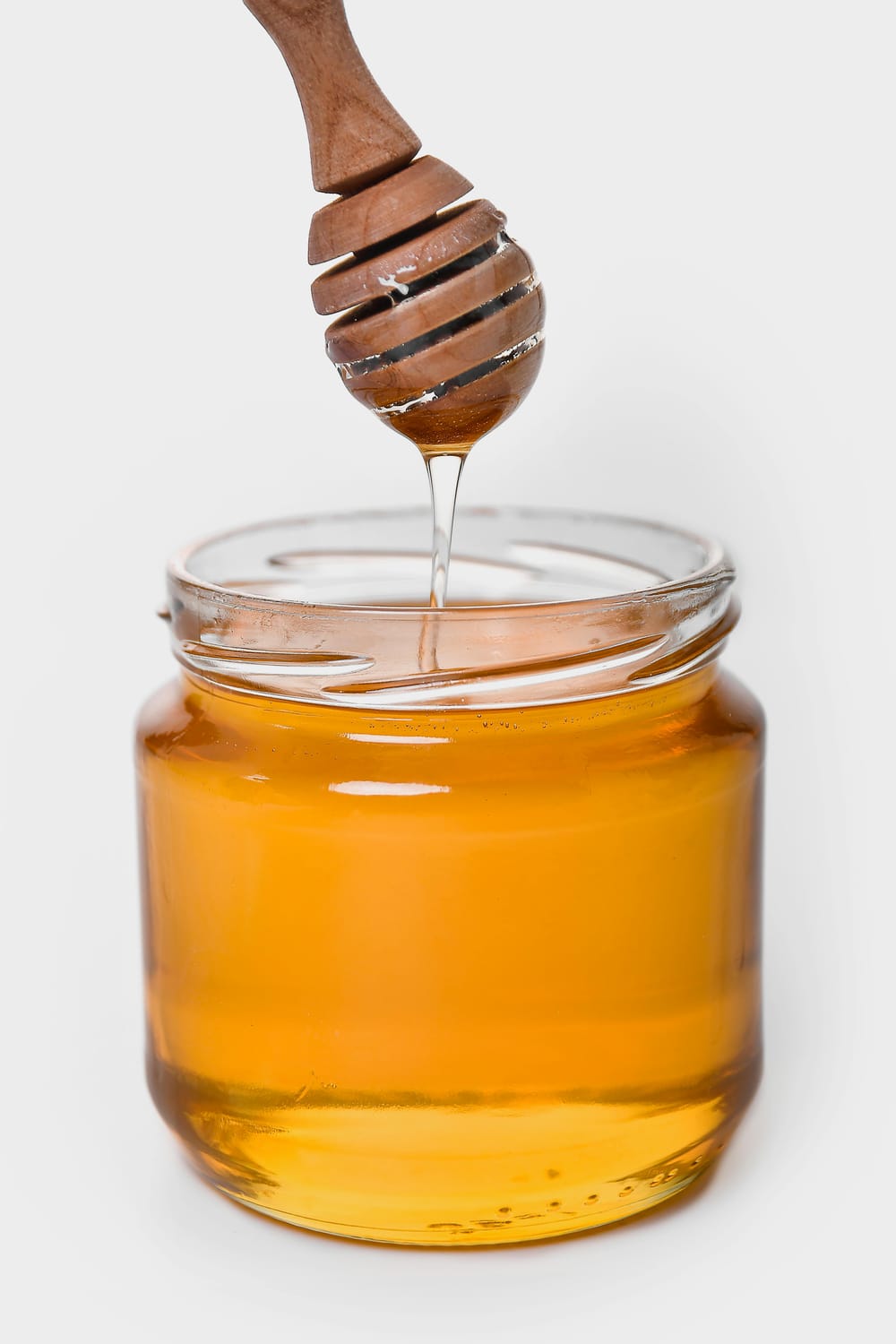
Lower GI than sugar
Contains small amounts of antioxidants, enzymes, and minerals. Has a slightly lower glycaemic index than white sugar, meaning it raises blood sugar more gradually.
Best for: yogurt, oatmeal, salad dressings, baking. Use about 75% of the sugar amount called for — it's sweeter.
Pure maple syrup

Rich in minerals
A whole-food sweetener containing manganese, zinc, and antioxidants. Significantly less refined than white sugar. Choose Grade A dark for the most nutrients.
Best for: pancakes, overnight oats, roasted vegetables, baking. Substitute 1:1 but reduce other liquids slightly.
Medjool dates

Whole food
Nature's most underrated sweetener. Blended into a paste or used whole, dates provide fibre (which slows sugar absorption), potassium, and magnesium alongside their sweetness.
Best for: energy balls, smoothies, blended sauces, baking. A handful blended with water makes a syrup-like paste.
Stevia
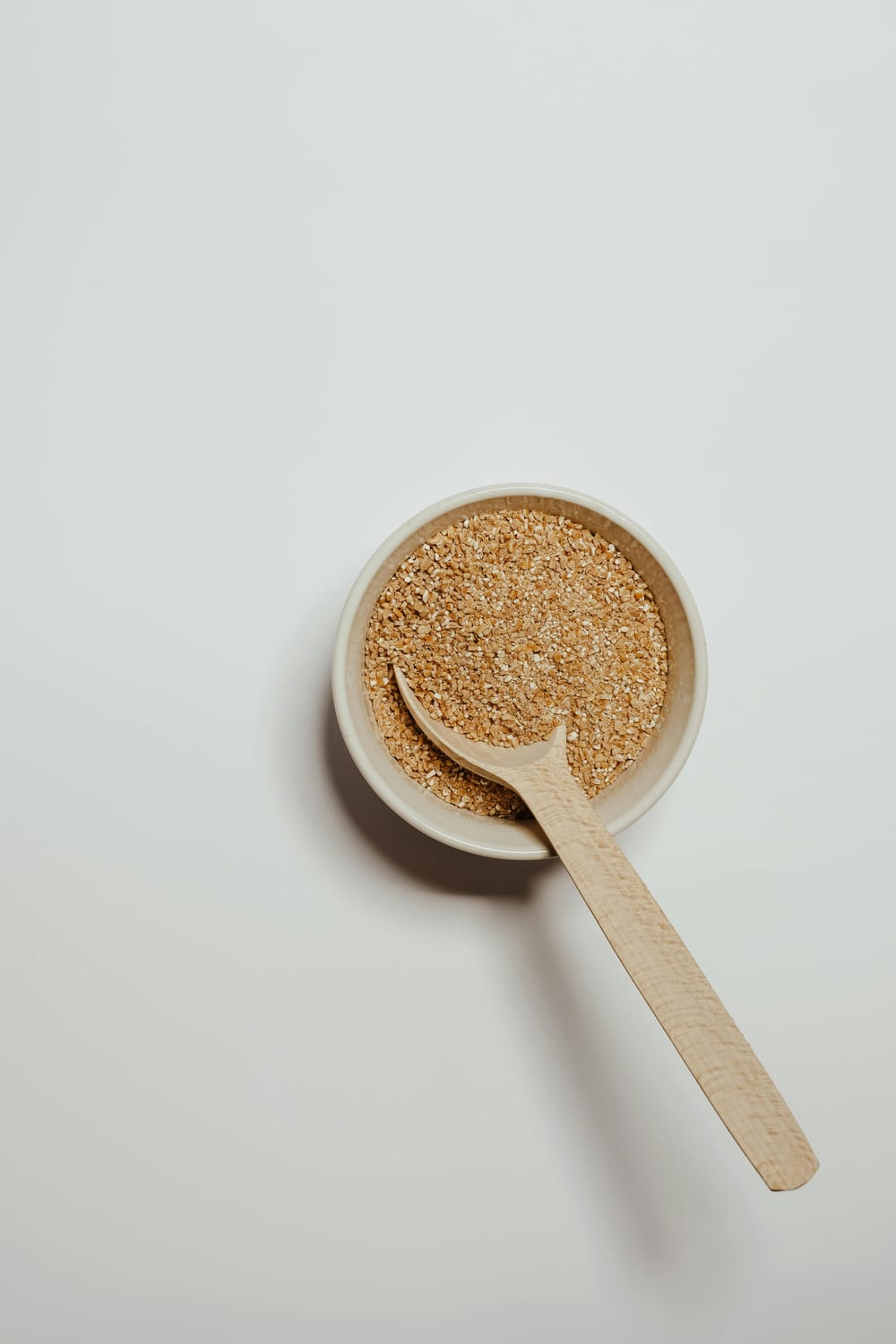
Zero calories
Derived from the Stevia rebaudiana plant, it contains no calories and does not raise blood sugar at all, making it suitable for diabetics and those managing weight. Choose pure leaf extract over blended versions.
Best for: hot drinks, cold beverages, some baking. Very potent — a little goes a long way. Can have a slightly bitter aftertaste for some.
Coconut sugar
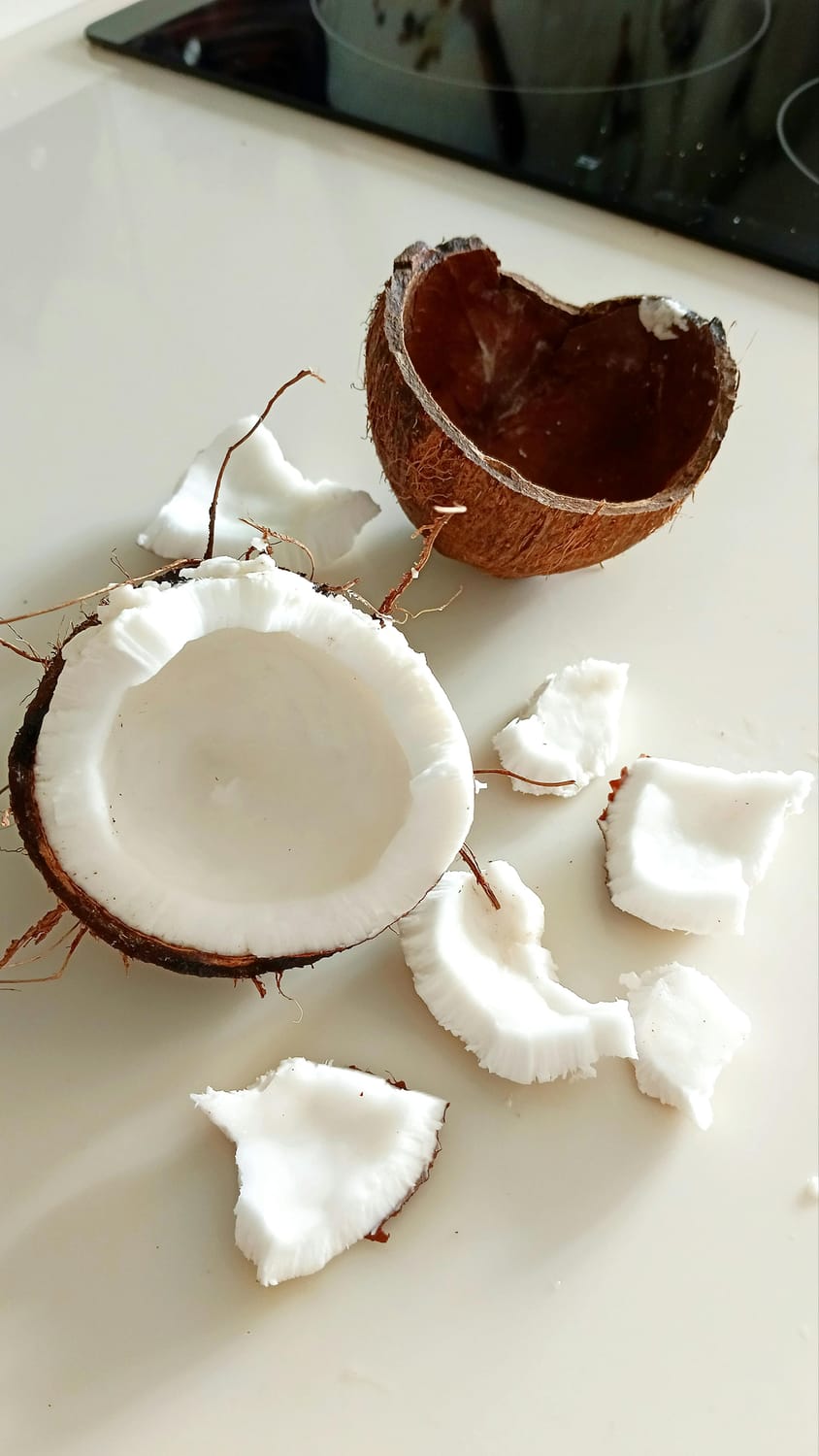
Contains inulin fibre
Made from the sap of coconut palms, it contains a small amount of inulin — a prebiotic fibre — which slows glucose absorption. Has a rich, caramel-like flavour. Still a sugar, but a less refined one.
Best for: baking, cookies, crumbles. Swap 1:1 for white sugar in most recipes — same texture, more flavour.
At a glance — how they compare
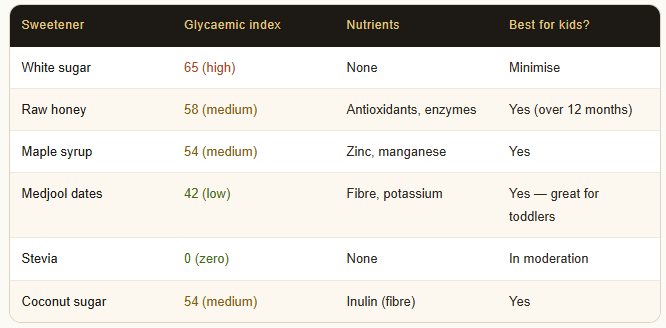
No natural sweetener is a licence to use unlimited amounts. The goal isn't to swap one excess for another — it's to gradually reduce overall sweetness while shifting towards options that offer at least some nutritional benefit alongside their sweetness.
Practical ways to start reducing sugar this week
You don't need to overhaul your kitchen overnight. These small shifts compound into real change over time:
1. Three products you buy every week. Pick your breakfast cereal, your bread, and one sauce or dressing. Read the added sugar content and find a lower-sugar alternative for just one of them.
2. Halve the sugar in your baking. Most baking recipes use far more sugar than necessary for texture. Start by reducing by 25%, then 50%. Add a teaspoon of vanilla extract to compensate — it amplifies perceived sweetness without adding sugar.
3. Replace fruit juice with whole fruit. A glass of orange juice has the same sugar as several oranges, but none of the fiber. Whole fruit slows absorption and keeps kids fuller longer.
4. Retrain your palate gradually. If you reduce sugar slowly — in your coffee, your sauces, your snacks — your taste buds genuinely adapt. What tasted normal will start to taste too sweet within a few weeks.
5. Make sweetness special again. When sugar is everywhere, it loses its appeal. When you reserve it for genuinely special moments — birthday cake, a weekend treat — it becomes something enjoyed rather than just consumed.
Sugar isn't a villain to be feared — but added sugar, hidden in everyday foods and consumed far above recommended levels, quietly affects energy, mood, concentration, and long-term health for the whole family. The shift doesn't have to be dramatic. Choose one swap, read one label, try one new sweetener in your weekend baking. Small, consistent changes are the ones that actually last — and they add up to a genuinely different relationship with food over time.
Why "No Junk" Matters for Behavior
As a mom, I’ve noticed a direct correlation between what
my kids eat and how they behave.
When my kids eat "junk" snacks with high sugar, they become hyperactive, followed by a "crash" where they are tearful and exhausted.
By switching to these natural sugar alternatives, you are providing them with
the emotional stability they need to navigate their day.
You aren't just packing food; you are packing a better
afternoon for them (and for you!).
Hi! I’m Anna. I’m a proud mom of two beautiful girls and your guide on
this exciting journey
to a healthier, happier life. Everything I
publish here at here is designed
to inspire you to live your best life.
My mission is simple:
to empower women and busy
moms with practical tips on weight
loss, easy recipes, and the motivation
needed to balance a healthy lifestyle
with the joys (and chaos!)
of motherhood.
Written by: Anna Smith Johnson