Struggling with meal prep? Get my 20 Healthy Recipes for Mom & Baby for FREE!
5 Reasons Why You're Not Losing Weight: A Guide for Postpartum Mothers
Disclosure: This post contains affiliate links. If you click through and make a purchase, I may receive a commission at no additional cost to you. I only recommend products I truly love and use.
Welcome to the beautiful, chaotic, and utterly exhausting world of motherhood. You have just spent the better part of a year growing a tiny human, and your body has performed a literal miracle. But as the initial fog of the "fourth trimester" begins to lift, many women find themselves staring in the mirror, wondering why the "baby weight" isn't melting away as quickly as social media influencers or celebrity culture led them to believe.
Why am I not losing weight after pregnancy?
If you are struggling to lose weight after birth, please hear this: You are not a failure, you are not lazy, and your body is not broken. The journey to your pre-pregnancy weight is rarely a straight line. In fact, a major study found that only 20% of women return to their pre-pregnancy weight within the first three months postpartum, and nearly a quarter retain at least 10 pounds a year after giving birth. I believe in rising above unrealistic expectations and grounding our health journey in science and self-love.
Here is a deep dive into the five primary reasons why your postpartum weight loss might be stalled, and how you can navigate this season with grace.
1. The Invisible Internal War: Hormonal Imbalances
The postpartum period is arguably the most significant hormonal shift a human being can experience. Within 24 hours of giving birth, your levels of estrogen and progesterone—which were at an all-time high—plummet to near-menopausal levels. This "hormonal crash" is responsible for more than just the "baby blues"; it directly dictates how your body stores and burns fat.

The Cortisol Connection
When you are navigating the stress of a newborn, your adrenal glands stay in a state of high alert, pumping out cortisol, the body’s primary stress hormone.
The Science: High cortisol levels are notorious for sabotaging weight loss. Cortisol signals the body to protect its energy stores, often leading to increased abdominal fat storage (the "cortisol pooch").
The Hunger Trigger: Cortisol increases the production of ghrelin, the "hunger hormone." This is why, when you are stressed, you don’t crave broccoli; you crave high-calorie, sugary comfort foods. Your brain is literally screaming for a quick hit of energy to survive the perceived "threat" of sleep deprivation and stress.
Thyroid Dysfunction
Postpartum thyroiditis affects up to 10% of women. Your thyroid is the master controller of your metabolism. If it becomes sluggish (hypothyroidism) after pregnancy, your metabolic rate drops, making weight loss nearly impossible regardless of how little you eat. If you feel excessively tired, have dry skin, or are losing hair beyond the normal postpartum shedding, it is vital to have your levels checked by a professional.
2. The Great Inhibitor: Chronic Sleep Deprivation
In the health and fitness world, we often talk about diet and exercise, but we rarely give sleep the credit it deserves. For a new mother, getting a solid eight hours of sleep is not just a luxury—it’s an impossibility. However, science shows that sleep deprivation is perhaps the single greatest hurdle to postpartum weight loss.

The Leptin and Ghrelin Seesaw
Your body regulates appetite through two key hormones: Leptin (which tells you you're full) and Ghrelin (which tells you you're hungry).
What happens when you don't sleep: Studies show that just a few nights of restricted sleep cause leptin levels to plummet and ghrelin levels to spike.
The Result: You are physically incapable of feeling "full," and your hunger signals are turned up to the maximum.
Insulin Resistance
Lack of sleep also affects how your body processes carbohydrates. Sleep-deprived bodies become less sensitive to insulin. When insulin is high, your body stays in "fat-storage mode" rather than "fat-burning mode." When you are running on four hours of broken sleep, your body is biologically primed to hold onto every single calorie you consume.
3. The Breastfeeding Paradox
There is a widespread myth that breastfeeding is a "get out of jail free" card for weight loss. While it is true that producing breast milk burns an average of 400 to 500 calories a day, the reality is far more nuanced.

Prolactin: The Fat Protector
To produce milk, your body creates high levels of prolactin. While prolactin is essential for nursing, it can also act as a fat-storing hormone. From an evolutionary standpoint, your body is terrified of a famine. It wants to ensure that even if food becomes scarce, you have enough fat reserves to keep your baby alive. For many women, the body will stubbornly hold onto an extra 5–10 pounds until the baby is fully weaned.
The Caloric Demand vs. Intake
Burning 500 calories is great, but breastfeeding often triggers a level of "profound hunger" that is hard to describe to someone who hasn't experienced it. If the caloric burn leads you to consume 700 extra calories because you are ravenous, the weight won't move. Furthermore, many nursing mothers are told to "eat for two," which can lead to over-consumption of nutrient-poor, calorie-dense foods.
4. The Psychological Weight: Mental Load and Emotional Stress
We cannot separate the physical body from the mind. The transition into motherhood is a monumental psychological shift. The "mental load"—the invisible task of remembering appointments, tracking feeding times, managing the household, and navigating a new identity—is exhausting.
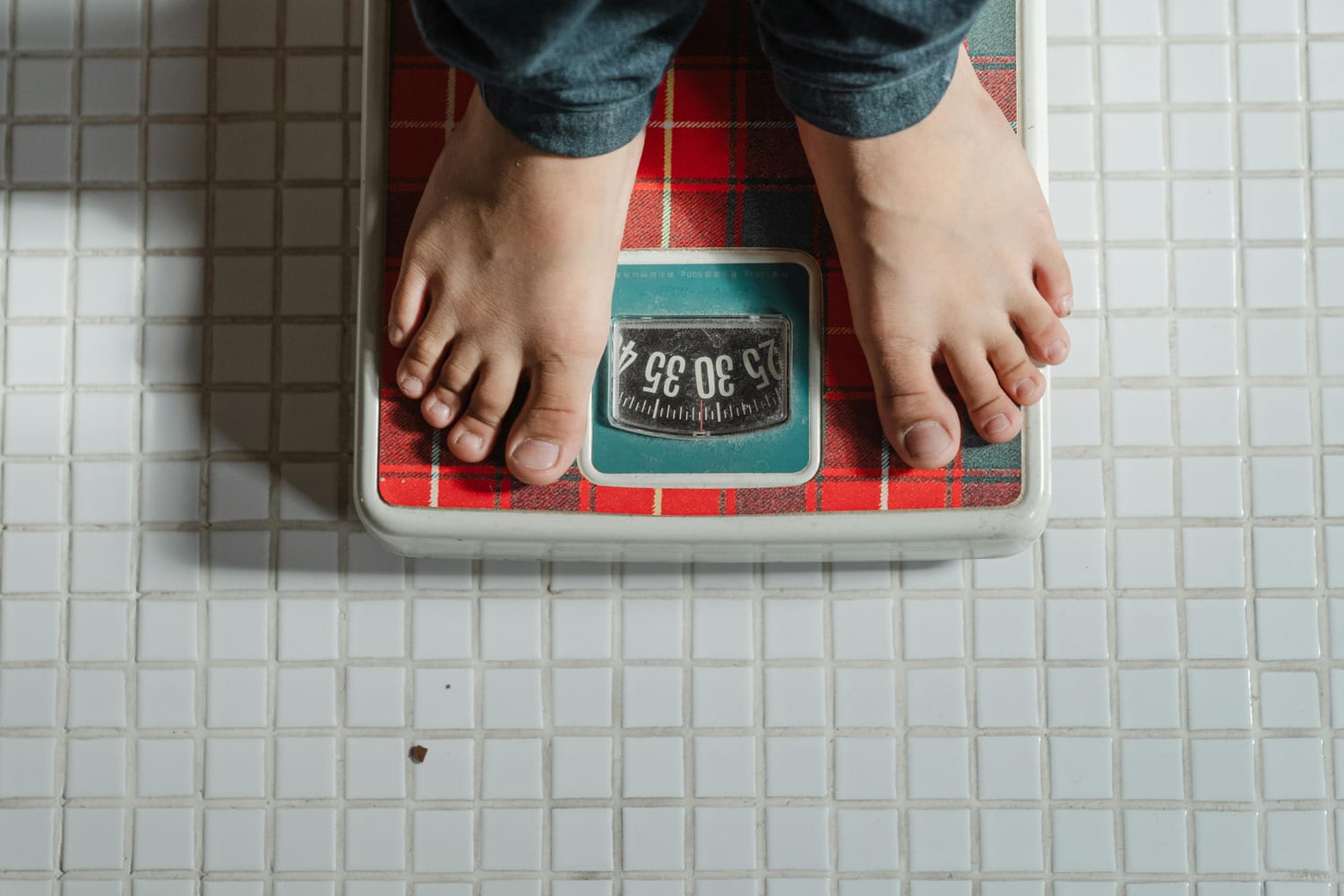
Emotional Eating as a Survival Tool
When you are overwhelmed, food often becomes the only "reward" or "comfort" available. If you find yourself eating chocolate at 10 PM after the baby finally falls asleep, it’s often because your brain is seeking a dopamine hit to compensate for the lack of joy or rest during the day.
The Midsection and Stress
Psychological stress keeps the body in a sympathetic nervous system state ("fight or flight"). In this state, the body prioritizes survival over "non-essential" functions like losing excess weight. Healing your relationship with your body and finding 10-minute pockets for mindfulness isn't just "woo-woo" advice; it’s a physiological necessity for weight loss.
5. The "Bounce Back" Trap: Unrealistic Expectations
We live in a culture that rewards women for "disappearing" after birth. We see celebrities on magazine covers looking runway-ready three weeks after a C-section, usually thanks to a team of nannies, private chefs, and expensive trainers.
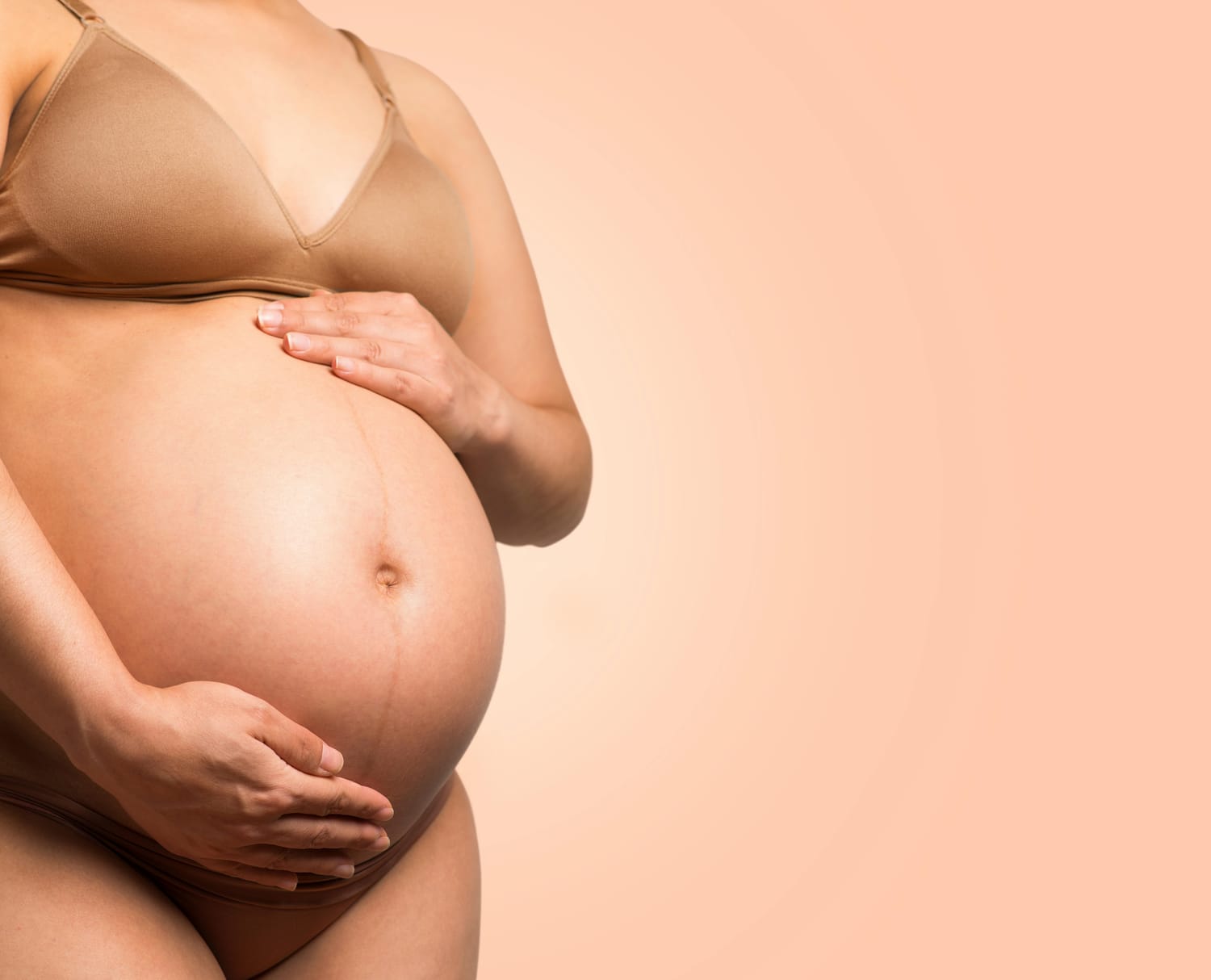
The 9-Month Rule
It took your body nine months to stretch, shift your organs, change your bone structure, and grow a human. It is biologically unreasonable to expect that to reverse in 12 weeks. Your connective tissues, like the linea alba, need time to heal. If you jump into high-intensity exercise too soon, you can actually cause more harm (like worsening Diastasis Recti), which further stalls your progress.
The Time Poverty Problem
Weight loss requires planning. It requires chopping vegetables, prepping protein, and finding time for movement. A new mother is "time poor." When you have to choose between a nap, a shower, or meal prepping, the nap should—and usually does—win. This lack of time often leads to a reliance on processed "convenience" foods that are high in sodium and inflammatory oils, which cause water retention and bloating.
How to "Rise" and Move Forward: Actionable Steps
I don't believe in "diets." I believe in nourishing the woman who nourishes the family.
Here is how to start moving the needle without losing your mind:
Prioritize Protein and Fiber: Instead of counting calories, focus on adding. Add a palm-sized portion of protein to every meal to help stabilize those haywire hunger hormones.
Hydrate Like It's Your Job: Dehydration is often mistaken for hunger. Aim for 2-3 liters of water a day, especially if you are nursing.
The 10-Minute Movement Rule: Forget the hour-long gym session. Can you do 10 minutes of gentle core restoration or a 10-minute walk? Small wins build momentum.
Get Bloodwork Done: If you are doing "everything right" and the weight isn't moving, ask your doctor for a full thyroid panel and a check on your Vitamin D and B12 levels.
Practice "Radical Grace": Your child will not remember the size of your jeans; they will remember the warmth of your hug. Stressing over the scale only raises your cortisol further.
Your postpartum body is a map of where you have been and the miracle you have performed. If you are struggling, please stop punishing yourself. Focus on healing first, and the weight loss will eventually follow as a byproduct of a regulated, healthy system.
You are beautiful, you are strong, and you are exactly the mother your baby needs. It's time to stop fighting your body and start listening to it.
🌟 Let Me Help You More
Navigating a newborn schedule is much easier when you have the right tools and information. Here is how I can support your journey further:
What should you actually have in your house? Stop guessing what you need. I’ve compiled the ultimate list of products that saved my sanity during these months. 10 Postpartum Essentials Every New Mom Needs (The Ultimate Survival Kit)
Fight the Fatigue & Hair Loss: If your routine is solid but you still feel "gray" and tired, you might be dealing with postpartum depletion. Check out my to reclaim your energy. Postpartum Glow-Up: How to Fight Hair Loss & Fatigue After Baby
Hi! I’m Anna. I’m a proud mom of two beautiful girls and your guide on
this exciting journey
to a healthier, happier life. Everything I
publish here at here is designed
to inspire you to live your best life.
My mission is simple:
to empower women and busy
moms with practical tips on weight
loss, easy recipes, and the motivation
needed to balance a healthy lifestyle
with the joys (and chaos!)
of motherhood.
Written by: Anna Smith Johnson




Subscribe to our email list and unlock 20 FREE healthy recipes for mom & baby – designed to make mealtime easier and healthier.