Struggling with meal prep? Get my 20 Healthy Recipes for FREE!
Quality Meal Prep for the Postpartum Mother: Nourishing Your Family and Yourself
Disclosure: This post contains affiliate links. If you click through and make a purchase, I may receive a commission at no additional cost to you. I only recommend products I truly love and use.
Motherhood, especially in the postpartum period, is a beautiful whirlwind of love, exhaustion, and constant demands. Your body has just performed an incredible feat, and now it's working overtime to recover, heal, and potentially nourish a new life through breastfeeding. Amidst the joy of a new baby, finding time to prepare nutritious meals often falls to the bottom of a never-ending to-do list. This is where quality meal prepping becomes not just a convenience, but a vital act of self-care and family nourishment.
Imagine a week where healthy, delicious meals are ready in minutes, even on the most chaotic days. No last-minute scrambling, no resorting to unhealthy takeout, and no sacrificing your own nutritional needs. This comprehensive guide is tailored for postpartum mothers, offering practical, research-backed strategies to master meal prepping. We'll explore why meal prepping is a game-changer for new families, how to create efficient systems, what to buy, and crucial food safety tips for freezing and defrosting. Let's transform your kitchen into a hub of health and ease.
Why Meal Prep is a Postpartum Lifesaver?
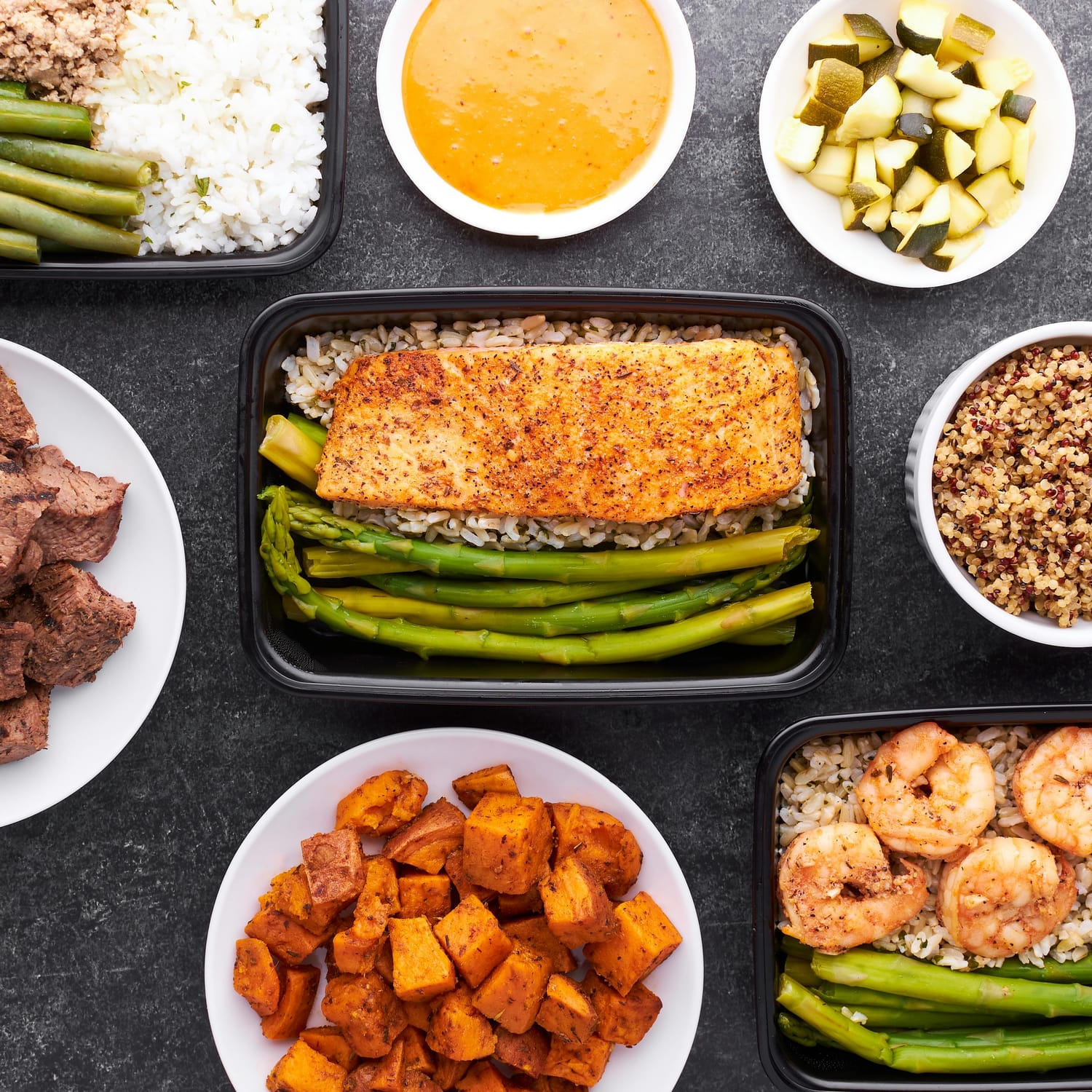
The postpartum period is characterized by fluctuating hormones, sleep deprivation, and the immense physical and emotional demands of caring for a newborn. Proper nutrition is paramount for recovery, energy levels, mental well-being, and milk production for breastfeeding mothers . However, these are precisely the times when cooking elaborate meals feels impossible.
Meal prepping offers a powerful solution, providing a multitude of benefits:
• Sustained Energy and Recovery: Your body needs nutrient-dense foods to heal from childbirth and maintain energy for round-the-clock baby care. Prepped meals ensure you have access to balanced nutrition, preventing energy crashes and supporting overall recovery.
•Supports Breastfeeding: For nursing mothers, caloric and nutrient needs are significantly higher. Meal prepping guarantees a consistent intake of essential vitamins, minerals, and calories required for healthy milk supply and quality.
•Time-Saving Efficiency: The most obvious benefit. Dedicating a few hours once or twice a week to prep saves countless hours during busy weekdays. This precious time can be redirected to rest, bonding with your baby, or other essential tasks.
•Stress Reduction and Mental Well-being: The mental load of new motherhood is immense. Knowing that meals are handled removes a significant source of daily stress, contributing to better mental health. Research suggests a strong link between meal preparation activities and improved mental health, alongside lower stress levels.
•Healthier Eating Habits: With healthy options readily available, you're less likely to reach for processed snacks or order unhealthy takeout. This promotes consistent healthy eating for the entire family.
•Budget-Friendly: Eating out frequently is expensive. Meal prepping allows you to buy ingredients in bulk, utilize sales, and reduce food waste, ultimately saving money.
•Family Health: When healthy meals are consistently available, the entire family benefits from improved nutrition, fostering good eating habits from an early age.
The Science of Sunday Prep: Why a Dedicated Day Works?
The concept of "Sunday Prep" isn't just a trend; it's a strategic approach rooted in behavioral science and efficiency. Designating a specific day, typically a weekend day like Sunday, for meal preparation leverages several psychological and practical advantages:
•Predictability and Routine: Humans thrive on routine. By establishing a dedicated prep day, you create a predictable rhythm that makes the task less daunting and more ingrained in your weekly schedule. This consistency reduces decision fatigue during the week .
•Leveraging Downtime: Weekends often offer more flexible blocks of time compared to the structured chaos of weekdays. Utilizing this relative downtime for a concentrated burst of activity sets you up for success when time is scarce.
•Mental Reset: A successful Sunday prep acts as a mental reset, providing a sense of control and accomplishment before the busy week begins. This can significantly reduce anxiety about weekday meals .
•Optimized Shopping: Planning your prep around a single grocery trip on Saturday or Sunday morning streamlines the entire process, making shopping more efficient and less frequent.
By front-loading the effort, you essentially "buy back" time and mental energy throughout the week, allowing you to be more present with your family and less stressed about meal times.
How to Make a Quality Meal Prep: A Step-by-Step Guide
Quality meal prep isn't about cooking every single component from scratch for every meal. It's about strategic planning and efficient execution. Here's how to approach it:
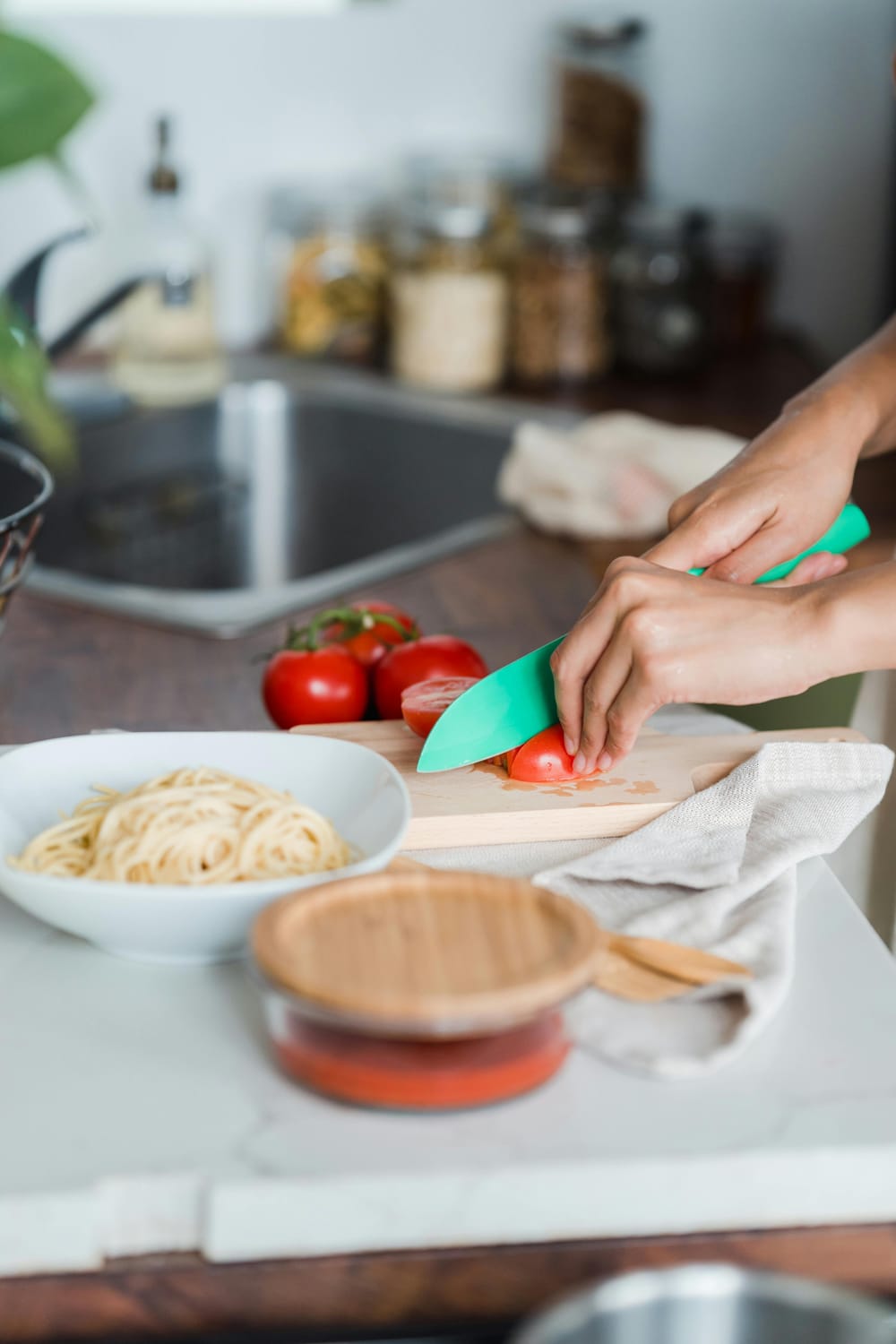
1. Plan Your Meals (and Snacks!)
This is the cornerstone of successful meal prepping. Consider the following:
•Postpartum Needs: Prioritize nutrient-dense foods rich in protein, healthy fats, complex carbohydrates, and essential vitamins. Think bone broth, lean meats, leafy greens, whole grains, and healthy fats like avocado .
•Family Preferences: Incorporate meals your family already enjoys to ensure buy-in and reduce waste.
•Variety: Plan for a variety of meals to prevent palate fatigue. Consider different protein sources, cooking methods, and flavor profiles.
•Repurposing Ingredients: Think about how ingredients can be used in multiple ways. For example, roasted chicken can be used in salads, wraps, or as a main dish. Cooked quinoa can be a side dish, salad base, or added to soups.
•Breakfasts and Snacks: Don't forget these! Overnight oats, hard-boiled eggs, pre-portioned fruit, and chopped veggies with hummus can be game-changers for busy mornings and hunger pangs.
•Meal Calendar: Create a simple meal calendar for the week (or two). This visual aid helps you stay organized and ensures you have a plan for every meal. Many apps offer templates, or a whiteboard works just as well.
2. Create Your Shopping List
Once your meals are planned, generate a detailed shopping list. Organize it by grocery store sections (produce, dairy, pantry, frozen, etc.) to make your trip efficient. Stick to your list to avoid impulse buys and save money.
3. Smart Shopping Tips
Shop Online/Curbside Pickup: This is a lifesaver for new mothers. It saves time, energy, and prevents impulse purchases. Many services allow you to build your cart throughout the week .
•Shop the Perimeter: The outer aisles of the grocery store typically contain fresh produce, dairy, and lean proteins – the foundation of healthy eating. The inner aisles often house processed foods.
•Buy in Bulk (Strategically): Non-perishable items like grains, nuts, seeds, and canned goods can often be bought in larger quantities for cost savings. Frozen fruits and vegetables are also excellent bulk buys .
•Don't Shop Hungry: This is a classic tip for a reason. Shopping on an empty stomach often leads to unhealthy impulse purchases.
4. Efficient Prep Techniques
Dedicate 2-4 hours on your chosen prep day. Here are some strategies to maximize efficiency:
•Wash and Chop Produce: Wash all fruits and vegetables, chop them for specific recipes, or portion them for snacks. Store in airtight containers.
•Cook Grains and Legumes: Cook large batches of quinoa, brown rice, farro, or lentils. These are versatile bases for many meals.
•Prepare Proteins: Cook chicken breasts, roast a whole chicken, hard-boil eggs, or cook ground meat. These can be seasoned differently throughout the week.
•Make Sauces/Dressings: Prepare homemade dressings, marinades, or sauces. Store them separately to add fresh flavor to your prepped components.
•Assemble Components: For some meals, you can assemble components without fully cooking. For example, layer ingredients for salads or assemble smoothie packs for the freezer.
What to Buy: A Sample Shopping List for Healthy Family Meals
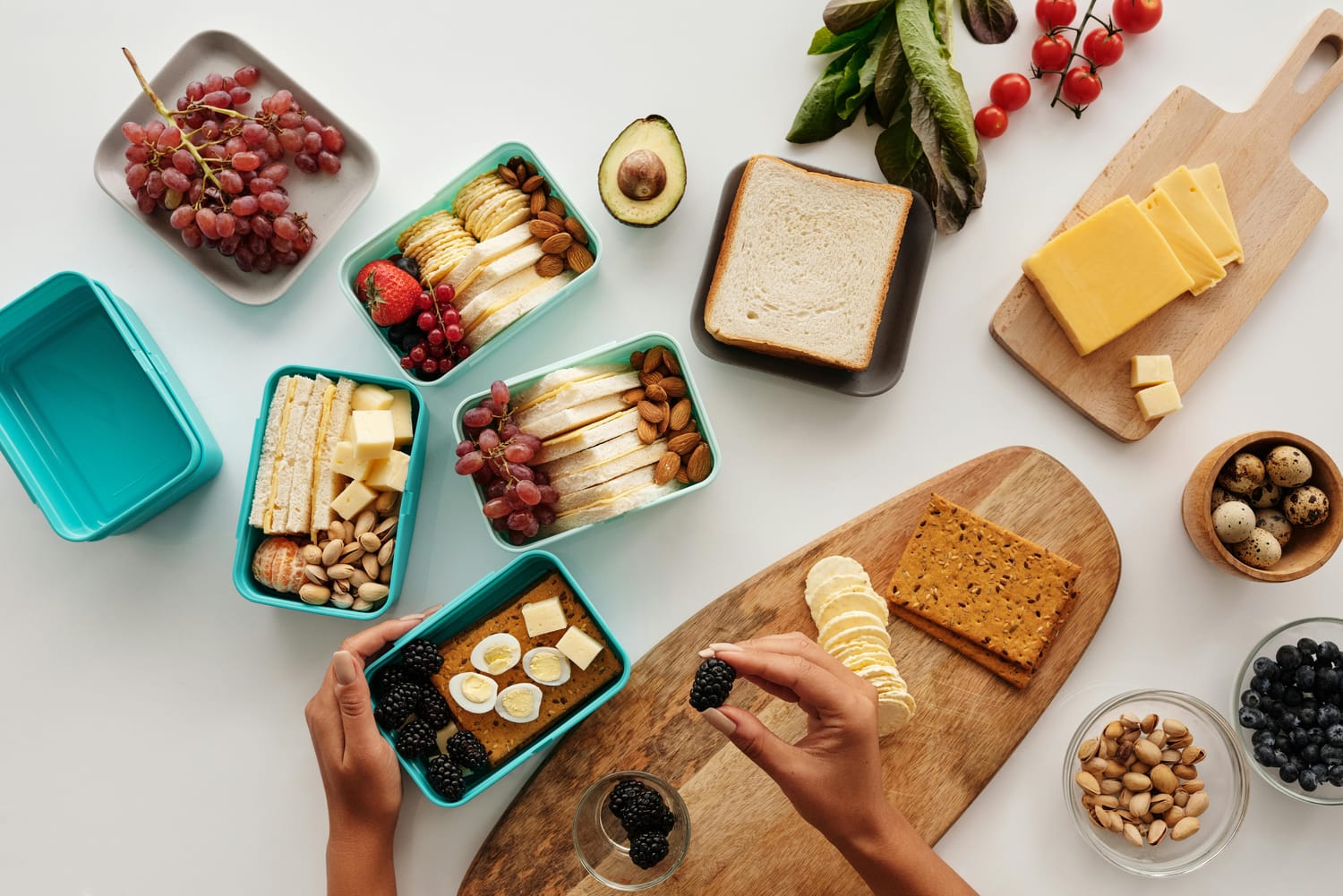
This list is designed to be versatile, allowing for a variety of meals while focusing on nutrient density for postpartum recovery and family health. Adjust quantities based on your family size and planned meals.
Produce
Leafy greens (spinach, kale),
broccoli,
bell peppers,
carrots, sweet potatoes,
onions, garlic,
berries, apples, bananas, oranges, avocados
Proteins
Chicken breast/thighs, ground turkey/beef, eggs, canned tuna/salmon,
lentils,
black beans, chickpeas, tofu/tempeh,
Greek yogurt, cottage cheese
Grains / Frozen
Oats (rolled/steel-cut), brown rice, quinoa, whole-wheat pasta, whole-wheat bread/wraps
Frozen berries, mixed vegetables,
shrimp,
pre-portioned smoothie ingredients
Healthy Fats
Olive oil, avocado oil, nuts (almonds, walnuts),
seeds (chia, flax, hemp),
nut butters
Dairy/Alternatives
Milk (dairy or fortified plant-based),
cheese (for grating/snacks), unsweetened yogurt
Pantry Staples
Canned tomatoes,
low-sodium broths, spices,
herbs,
vinegars,
dried fruit (for snacks), whole-wheat flour
Pros and Cons of Meal Prepping
While meal prepping offers significant advantages, it's important to acknowledge that it might not be for everyone, or every week. Understanding the pros and cons can help you decide if and how to integrate it into your postpartum routine.
Pros
Guaranteed Healthy Meals: Reduces reliance on unhealthy convenience foods.
•Significant Time Savings During the Week: Frees up precious time for other activities.
•Reduced Stress and Decision Fatigue: Eliminates the daily
burden of figuring out what to cook.
•Cost Savings: Less eating out, bulk buying, and reduced food waste contribute to a healthier budget.
•Portion Control: Easier to manage portion sizes, which can be beneficial for postpartum weight management.
•Dietary Adherence: Helps maintain specific dietary needs or restrictions (e.g., allergen-free, vegetarian).
•Increased Family Meal Frequency: Facilitates more regular family meals, which are linked to numerous positive outcomes for children and parents, including improved nutrition, academic performance, and mental well-being.
Cons
Initial Time Investment: Requires a dedicated block of time (2-4 hours) for planning, shopping, and prepping.
•Potential for Food Fatigue: If not varied, eating the same meals repeatedly can become boring.
•Storage Space: Requires adequate refrigerator and freezer space, along with appropriate containers.
•Learning Curve: It takes practice to become efficient at meal prepping. Initial attempts might feel overwhelming.
•Lack of Spontaneity: Less flexibility for last-minute changes to meal plans or dining out.
Food Safety: Freezing and Defrosting Instructions
Proper food handling, especially when freezing and defrosting, is crucial to prevent foodborne illnesses. As a busy mother, ensuring your family's food is safe is paramount. The USDA provides clear guidelines for safe food storage.
Freezing Food Safely
Freezing food correctly preserves its quality and safety. The key is to freeze food quickly at 0°F (-18°C) or below.
1.Cool Food Quickly: Cooked foods should be cooled rapidly to 40°F (4°C) or below within two hours of cooking. Divide large portions into smaller, shallow containers to speed up cooling .
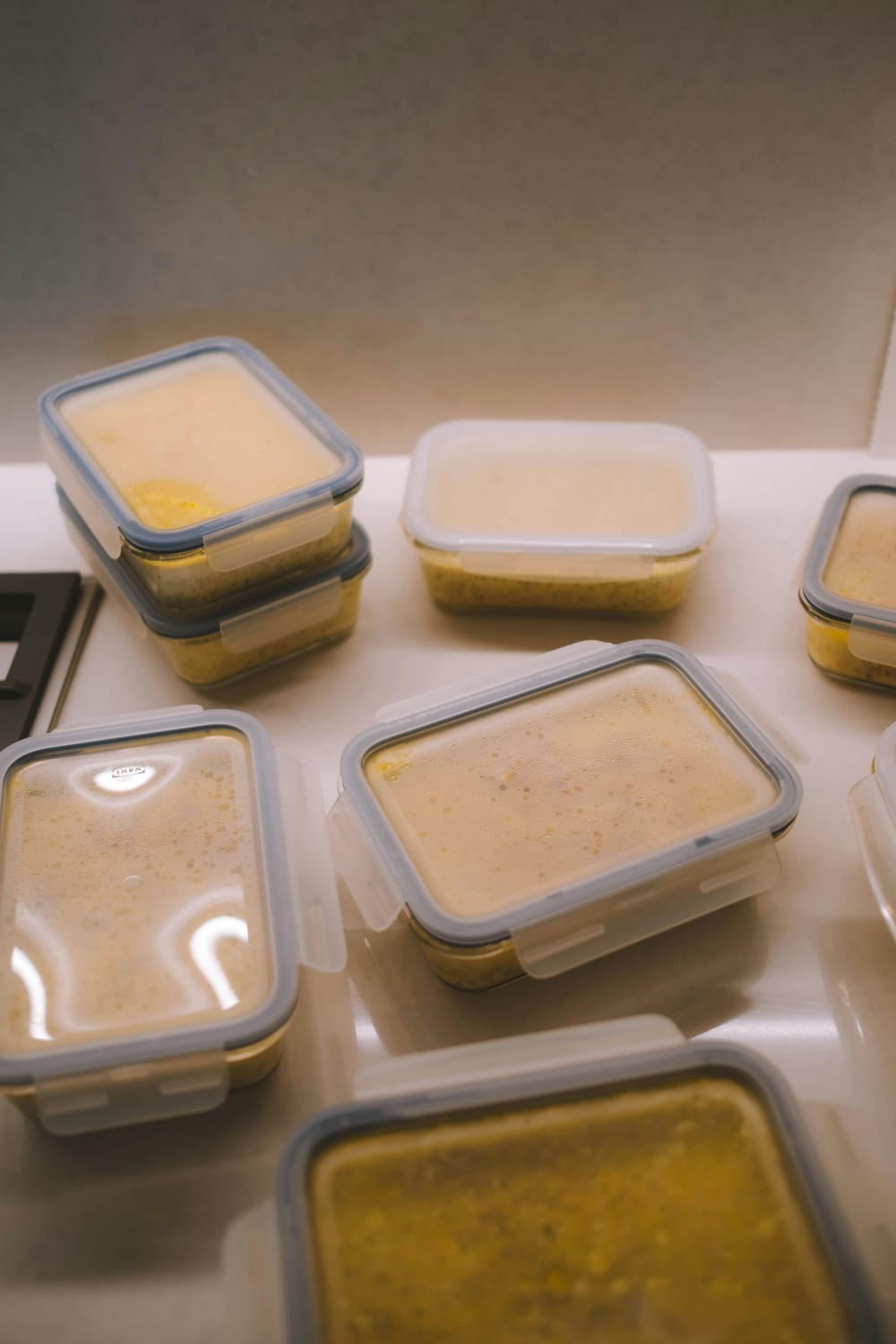
2.Use Airtight Containers: Use freezer-safe bags, airtight containers, or heavy-duty aluminum foil to prevent freezer burn, which can affect taste and texture. Remove as much air as possible from bags.
3.Label and Date: Clearly label each container with the food item and the date it was frozen. This helps you track freshness and avoid waste .
4.Portion Control: Freeze food in individual or family-sized portions that are convenient for future meals. This prevents having to thaw more than you need.
5.Safe Freezing Times: While freezing keeps food safe indefinitely, quality can degrade over time.
Here are general guidelines for optimal quality:
Food Item
Freezer Storage (Optimal Quality)
Cooked Meat/Poultry
3-4 months
Cooked Casseroles
2-3 months
Soups/Stews
2-3 months
Cooked Grains
2-3 months
Cooked Vegetables
8-12 months
Breast Milk
6-12 months (check specific guidelines)
Defrosting Food Safely
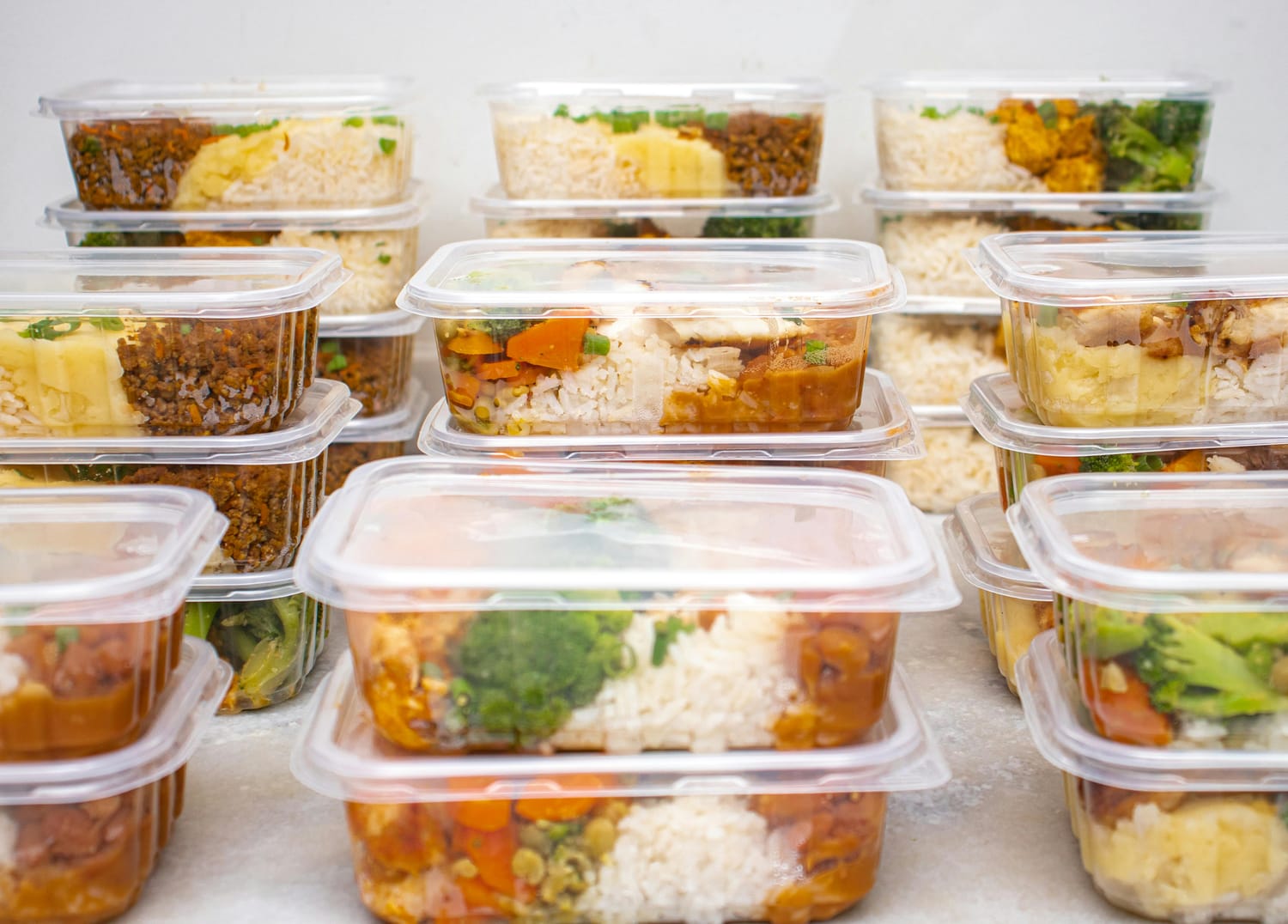
Never thaw perishable foods on the counter at room temperature. This allows harmful bacteria to multiply rapidly.
There are three safe ways to defrost food:
1.In the Refrigerator (Safest Method): This is the safest and most recommended method. Plan ahead, as it can take a full day or longer for large items. Once thawed in the refrigerator, food can be refrozen without cooking, though quality may decrease.
2.In Cold Water: For faster thawing, place food in a leak-proof plastic bag and submerge it in cold tap water. Change the water every 30 minutes. Cook immediately after thawing.
3.In the Microwave: Use the defrost setting and cook immediately after thawing, as some areas of the food may begin to cook during the defrosting process.
4.As Part of Cooking: Small items can be cooked from frozen, but it will take approximately 50% longer than the recommended cooking time for thawed or fresh food.
Important Note: Once food is thawed using the cold water or microwave method, it must be cooked before refreezing.
Empowering Your Postpartum Journey with Meal Prep
The postpartum period is a unique and precious time, but it can also be incredibly demanding. As a mother, your well-being is intrinsically linked to your ability to care for your family. Quality meal prepping is more than just a culinary trend; it's a powerful tool for self-preservation, family nourishment, and stress reduction during this transformative phase of life.
By embracing the strategies outlined in this guide—from understanding your nutritional needs and planning your meals to smart shopping and safe food handling—you can reclaim precious time, ensure consistent access to healthy food, and reduce the mental load associated with daily meal preparation. It allows you to focus on what truly matters: bonding with your baby, healing your body, and enjoying the journey of motherhood.
Start small, be patient with yourself, and celebrate every prepped meal as a victory. You are not just feeding your family; you are nurturing your own strength and resilience. Happy prepping, mama!
Stop wondering "what's for dinner" and start taking control of your spending. If you've been searching for a simple, effective way to track your expenses and plan your meals, you’re in the right place.
I want to help you reach your goals, so I’m offering my Grocery Shopping & Meal Planner as a FREE download.
Organize. Research. Shop. Save.
Get your copy now and join thousands of women who are shopping smarter:
References
[1] Abbott Nutrition. (2023, May 15). Postpartum Nutrition Tips to Help Support Recovery
[3] Mayo Clinic. (2025, March 28 ). Breastfeeding nutrition: Tips for moms
[5] Motherly. (2024, February 20 ). 10 smart grocery tips for moms from a dietitian
[7] FMI. (2024, May 30 ). New Study Support Mental Health and Social Benefits of More Family Meals
[9] Mass General. (2019, July 18 ). The Unexpected and Long-Term Benefits of Family Dinner
[10] USDA Food Safety and Inspection Service. (n.d. ). Freezing and Food Safety
Hi! I’m Anna. I’m a proud mom of two beautiful girls and your guide on
this exciting journey
to a healthier, happier life. Everything I
publish here at here is designed
to inspire you to live your best life.
My mission is simple:
to empower women and busy
moms with practical tips on weight
loss, easy recipes, and the motivation
needed to balance a healthy lifestyle
with the joys (and chaos!)
of motherhood.
Written by: Anna Smith Johnson




Subscribe to our email list and unlock 20 FREE healthy recipes .