Struggling with meal prep? Get my 20 Healthy Recipes for FREE!
The Truth About Supplements: What's Worth It and What Isn't
Disclosure: This post contains affiliate links. If you click through and make a purchase, I may receive a commission at no additional cost to you. I only recommend products I truly love and use.
An honest, no-hype guide to the supplements that have real evidence behind them — and the ones quietly draining your wallet.
The global supplement industry is worth over $150 billion. It is also one of the least regulated industries on the planet. That combination — huge money, minimal oversight — should make every woman pause before she opens her cabinet.
Supplements are everywhere. Your social media feed is full of them. Influencers take them on camera. Health food stores dedicate entire aisles to them. And the promises are enormous: more energy, better skin, sharper focus, faster fat loss, stronger immunity.
Some of those promises have genuine science behind them. Many do not. This article will tell you which is which — clearly, honestly, and without trying to sell you anything.
The uncomfortable truth about the supplement industry
Before we get into specific supplements, it's worth understanding the landscape you're navigating. In most countries, dietary supplements are not required to prove they work before they go on sale. They only need to prove they are not harmful — and even that standard is inconsistently enforced.
$177B
global supplement market value 2023
80,000+
supplement products on the US market
~30%
of products tested fail quality checks
This doesn't mean all supplements are worthless — far from it. Some are genuinely useful, well-researched, and represent excellent value. But it does mean that the marketing around supplements is almost entirely unregulated, and that "natural" does not automatically mean safe or effective.
Important note: This article is for general educational purposes and is not medical advice. Always speak to your GP or a registered dietitian before starting any new supplement — especially if you are pregnant, breastfeeding, taking medication, or have an existing health condition.
A quick verdict: worth it, maybe, or skip it?
Here is an honest at-a-glance summary before we go into detail. These verdicts are based on the weight of scientific evidence, not marketing claims:
Worth it for most women
Save your money
Detox / cleanse products - Your liver and kidneys do this already. No supplement improves on them.
Fat burners - No good evidence any work meaningfully. Many contain stimulants with real side effects.
Collagen powder (most) - Evidence is weak. Eating adequate protein and vitamin C is far more effective for skin.
Expensive multivitamins - If your diet is balanced, most of the content passes straight through. Cheap versions work as well as premium.
Most "energy boosting" blends - Usually caffeine and B vitamins in a fancy package. Just eat well and sleep more.
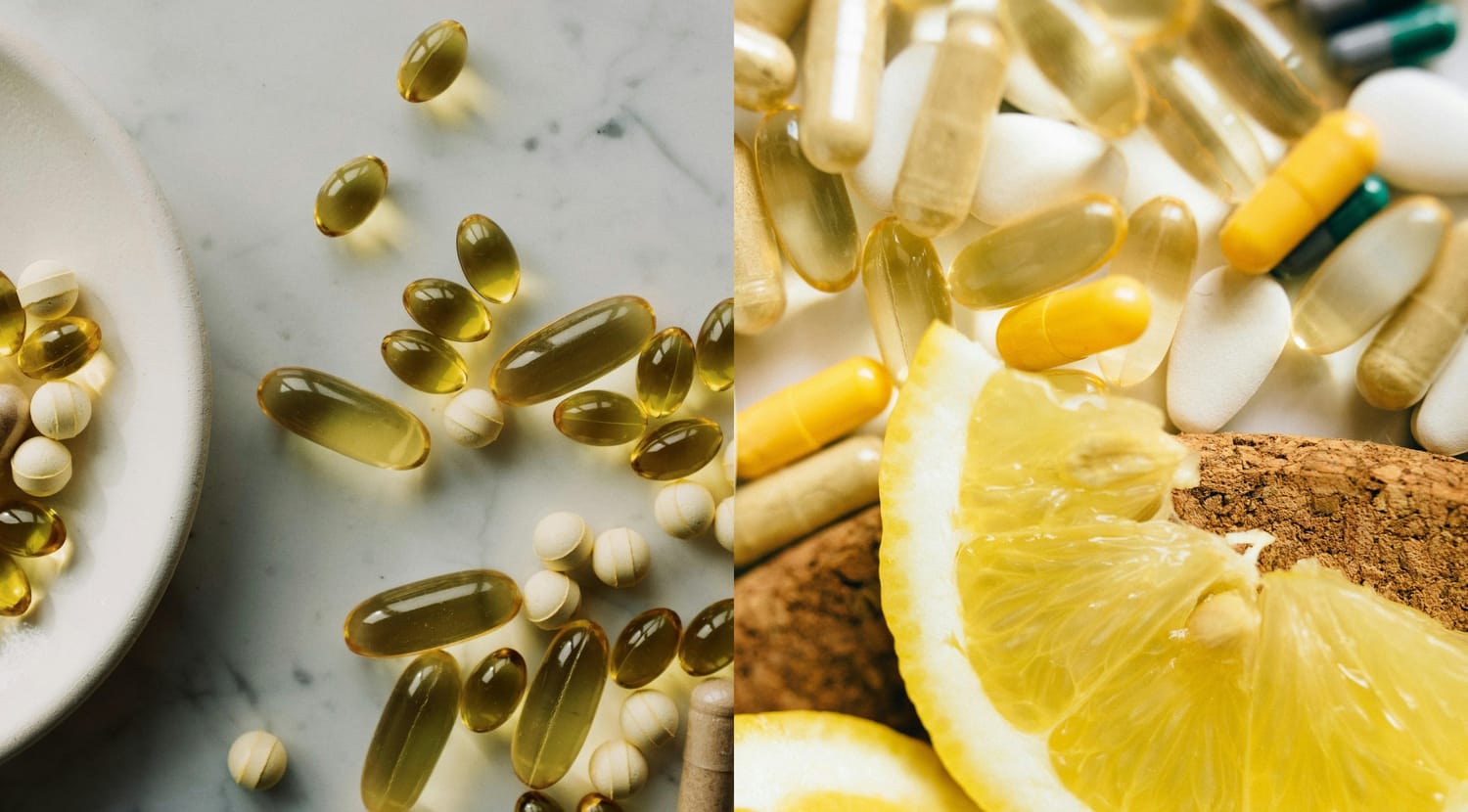
Vitamin D deficiency affects an estimated 1 billion people worldwide — and women in northern climates, those who work indoors, and darker-skinned individuals are disproportionately affected. Your body produces vitamin D from sunlight exposure, but for much of the year in temperate climates, the sun simply isn't strong enough to generate enough, even on sunny days. The consequences of deficiency include fatigue, low mood, weakened immunity, poor bone density, and increased risk of depression. A simple blood test can confirm your levels. If you're deficient, supplementing with 1,000–2,000 IU daily is well-supported by evidence and very safe. Many GPs now recommend it as a matter of routine for the autumn and winter months.
Typical dose: 1,000–2,000 IU dailyBest form: D3 (cholecalciferol) Take with food containing fat
Magnesium is involved in over 300 biochemical reactions in the body, yet studies consistently show that the majority of adults — particularly women — do not get enough from diet alone. Modern soil depletion means even vegetables contain less magnesium than they did decades ago. Low magnesium is associated with poor sleep, anxiety, muscle cramps, PMS symptoms, headaches, and fatigue — a list that will sound familiar to many moms. Magnesium glycinate is the best-tolerated form for most people and the most effective for sleep and stress. Take it at night for the best results. It is one of the few supplements where most women notice a genuine difference within two to four weeks.
Typical dose: 200–400mg dailyBest form: glycinate or malateTake at night for sleep benefits
Omega-3s — specifically EPA and DHA — are among the most well-researched nutrients in existence. The evidence supports their role in reducing chronic inflammation, supporting cardiovascular health, improving mood and reducing symptoms of depression, and supporting brain development in pregnancy. Most women do not eat enough oily fish (the best dietary source) to reach optimal levels. A quality fish oil supplement is one of the most cost-effective health investments you can make. For vegetarians and vegans, algae-based omega-3 supplements provide the same EPA and DHA without fish and are equally effective — since fish get their omega-3s from algae anyway.
Typical dose: 1,000–2,000mg combined EPA+DHAVegan option: algae-based DHAStore in fridge to prevent oxidation
This is the one supplement that has the clearest, most unambiguous evidence base of all. Folate (the natural form) and folic acid (the synthetic supplement form) are critical for neural tube development in early pregnancy — the period before many women even know they are pregnant. All women who could become pregnant are advised to take 400mcg of folic acid daily. This is not optional advice and it is not marketing — it is one of the most evidence-backed public health recommendations in medicine. If you are pregnant, your prenatal vitamin should cover this. If you are planning a pregnancy or not actively preventing one, start supplementing now.
Dose: 400mcg daily (pre-pregnancy)Higher doses if advised by GPStart at least 3 months before conception - Essential if pregnant or trying.
Iron deficiency anaemia is the most common nutritional deficiency in the world, and women of reproductive age are particularly vulnerable due to monthly blood loss. Symptoms include persistent fatigue, brain fog, breathlessness, pale skin, and feeling cold. However — and this is important — iron supplementation should only be taken if a blood test confirms you are actually deficient. Too much iron is harmful, and many women take iron supplements based on symptoms alone, without checking. If your GP confirms low iron, supplementation makes a significant difference, often within six to eight weeks. Pair with vitamin C-rich foods to improve absorption, and avoid taking with calcium or coffee which block it.
Only supplement if blood test confirms deficiency. Take with vitamin C for absorption.
These are the supplements I personally use and recommend. Most of them are gummies, which makes them super easy and enjoyable to take. I’m honestly not a fan of swallowing pills, so this works perfectly for me.
If you want to try my favourite supplements, click the link below and order yours today ✨
What to look for when buying any supplement?
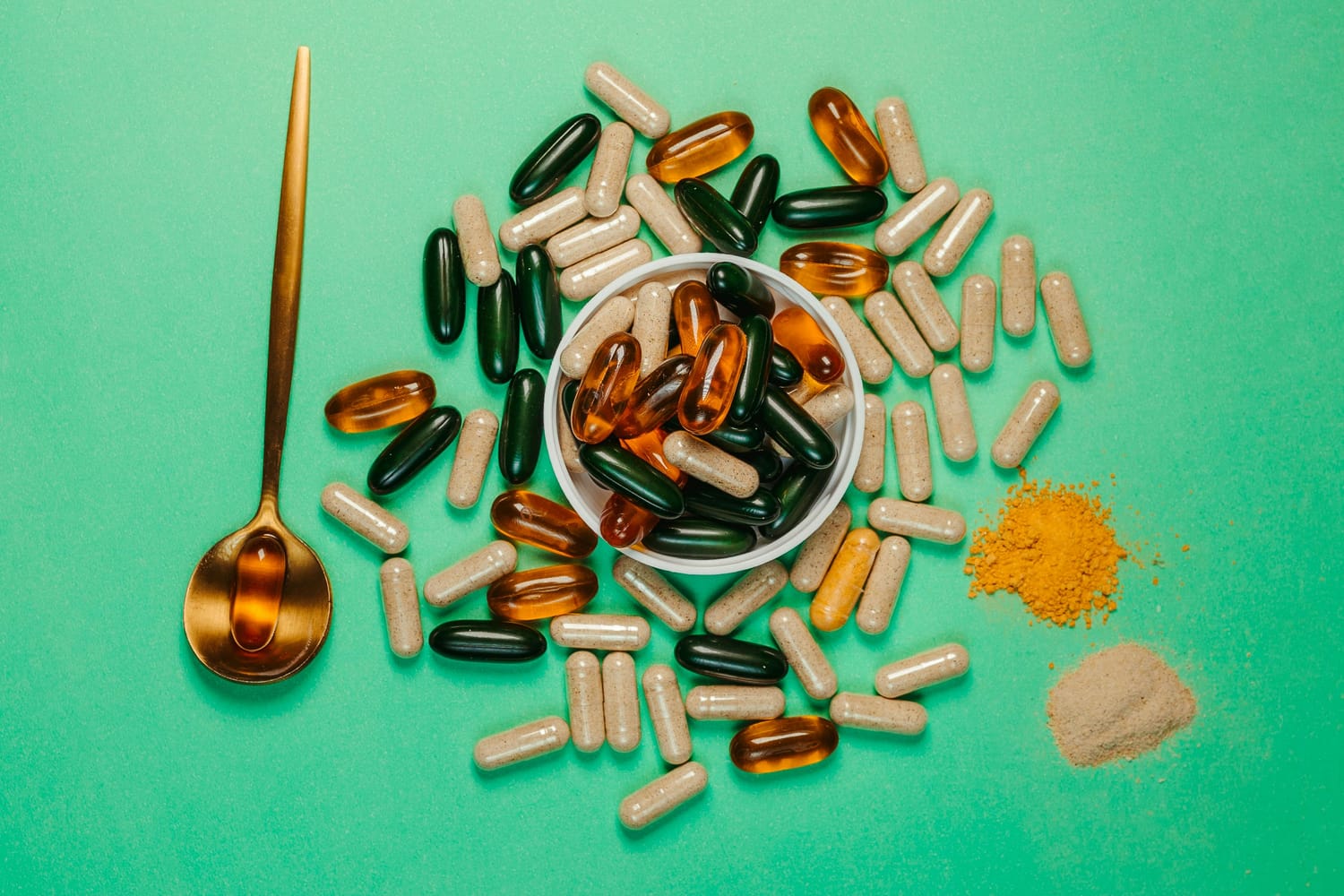
If you decide to supplement, the quality of what you buy matters enormously. The supplement market is poorly regulated, and products vary wildly in purity, potency, and bioavailability — meaning how well your body actually absorbs them.
Look for third-party testing. Reputable supplements carry certification from independent testing bodies such as NSF International, USP, or Informed Sport. These certify that what's on the label is actually in the product — at the correct dose, without contaminants.
Check the form of the ingredient. Not all forms of a nutrient are equally absorbable. Magnesium oxide is cheap and poorly absorbed; magnesium glycinate costs a little more and works far better. Folic acid is the supplement form; methylfolate is better for women with the MTHFR gene variant. Form matters.
Avoid proprietary blends. When a label says "proprietary blend" with a total weight but no individual doses, it means they're not required to tell you how much of each ingredient is actually in there. This is a red flag — often used to include tiny, ineffective amounts of impressive-sounding ingredients.
Be suspicious of long ingredient lists. A supplement with 40 ingredients is almost certainly underdosing most of them. A focused product with 3–5 well-dosed, well-researched ingredients will outperform a "shotgun" formula every time.
Price is not a reliable indicator of quality. Some of the most overpriced supplements have the weakest evidence, while well-formulated basics like vitamin D and magnesium are available cheaply from reputable brands. Don't equate expensive with effective.
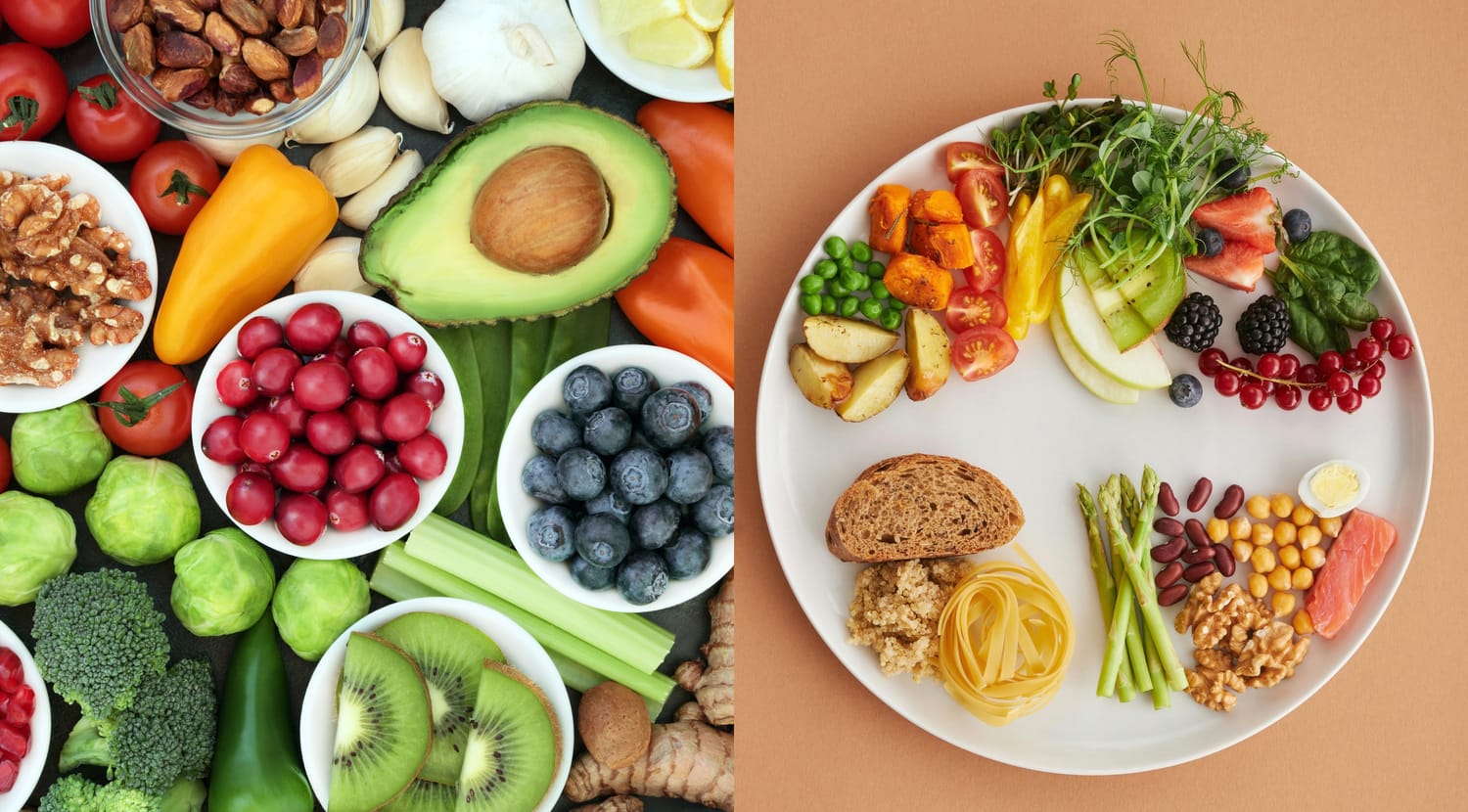
No supplement replaces a varied, whole-food diet. The nutrients in real food come packaged with fibre, phytochemicals, water, and hundreds of other compounds that work together synergistically — in ways no capsule can replicate.
Think of supplements as exactly what the name suggests: supplemental. They fill genuine gaps in an otherwise good diet. They are not a substitute for eating well, sleeping enough, managing stress, or moving your body. A woman who eats poorly but takes twenty supplements is far less healthy than a woman who eats well and takes one or two targeted ones.
Before investing in any supplement, ask yourself honestly: could I get this nutrient from food if I made one or two small changes? Vitamin D from ten minutes of midday sun and oily fish twice a week. Magnesium from dark leafy greens, pumpkin seeds, and dark chocolate. Omega-3 from salmon, mackerel, sardines, and walnuts. Often, the answer is yes — and whole food will always be the better choice when it's realistic.
For most women, a short list of well-chosen supplements — vitamin D through autumn and winter, magnesium glycinate at night, omega-3 daily, and folic acid if there's any chance of pregnancy — covers the most common genuine gaps. Everything else should be evaluated on its own merits, with a healthy scepticism toward marketing claims and a preference for third-party tested products. Your health is worth protecting — and that includes protecting it from the industry that profits most from your confusion about it.
Hi! I’m Anna. I’m a proud mom of two beautiful girls and your guide on
this exciting journey
to a healthier, happier life. Everything I
publish here at here is designed
to inspire you to live your best life.
My mission is simple:
to empower women and busy
moms with practical tips on weight
loss, easy recipes, and the motivation
needed to balance a healthy lifestyle
with the joys (and chaos!)
of motherhood.
Written by: Anna Smith Johnson



Subscribe to our email list and unlock 20 FREE healthy recipes .