Struggling with meal prep? Get my 20 Healthy Recipes for FREE!
Healthy Grocery Shopping for the Postpartum Mother and Family: A Guide to Nourishment Amidst New Parenthood
Disclosure: This post contains affiliate links. If you click through and make a purchase, I may receive a commission at no additional cost to you. I only recommend products I truly love and use.
Congratulations, mama! You've just accomplished one of life's most incredible feats: bringing a new human into the world. The postpartum period is a time of immense change, profound joy, and often, overwhelming exhaustion. While your focus is undoubtedly on your newborn, it's equally crucial to remember that your body, having just undergone a marathon of pregnancy and childbirth, needs optimal nourishment to recover, heal, and sustain you through sleepless nights and endless demands. For breastfeeding mothers, these nutritional needs are even higher.
Navigating grocery stores with a newborn or a busy family can feel like an Olympic sport. The temptation to grab quick, convenient, but often less nutritious options is strong. However, healthy eating doesn't have to be complicated or expensive. This comprehensive guide is designed specifically for postpartum mothers, offering research-backed strategies to make healthy grocery shopping efficient, affordable, and empowering for your entire family. We'll cover everything from understanding your unique postpartum nutritional needs to smart shopping tactics and meal planning that prioritizes your well-being and your family's health.
Understanding Postpartum Nutritional Needs: Fueling Your Recovery and Beyond
Your body's nutritional demands don't end with childbirth; in many ways, they intensify. Postpartum recovery requires a steady supply of macronutrients (carbohydrates, proteins, fats) and micronutrients (vitamins and minerals) to repair tissues, restore energy levels, balance hormones, and, for many, support milk production.
Macronutrients: The Building Blocks of Energy
Carbohydrates: Often demonized, complex carbohydrates are your primary source of energy, essential for combating postpartum fatigue. Opt for whole grains like oats, brown rice, quinoa, and whole-wheat bread. These provide sustained energy and fiber, which is crucial for digestive health, especially after childbirth.
Proteins: Critical for tissue repair, muscle maintenance, and hormone production. Aim for lean protein sources such as chicken, turkey, fish (especially fatty fish rich in Omega-3s), eggs, legumes (beans, lentils), and dairy products. If you're vegetarian or vegan, ensure a variety of plant-based proteins to get all essential amino acids.
Healthy Fats: Essential for hormone regulation, nutrient absorption, and brain health for both you and your baby (if breastfeeding). Incorporate avocados, nuts, seeds, olive oil, and fatty fish like salmon. These healthy fats also contribute to satiety, helping you feel fuller for longer.
Micronutrients: The Unsung Heroes
Several vitamins and minerals are particularly important during the postpartum period:
Iron: Blood loss during childbirth can lead to iron deficiency anemia, exacerbating fatigue. Rich sources include lean red meat, poultry, fortified cereals, spinach, and lentils. Pair iron-rich foods with Vitamin C (e.g., oranges, bell peppers) to enhance absorption.
Calcium: Crucial for bone health, especially if breastfeeding, as calcium can be drawn from your bones to produce milk. Dairy products, fortified plant milks, leafy greens, and tofu are excellent sources.
Vitamin D: Works with calcium for bone health and plays a role in immune function and mood regulation. Sunlight exposure is a primary source, but dietary sources include fatty fish, fortified milk, and eggs.
Omega-3 Fatty Acids (DHA): Vital for your baby's brain and eye development (if breastfeeding) and can support maternal mood. Found in fatty fish (salmon, mackerel, sardines), flaxseeds, chia seeds, and walnuts.
Folate (Folic Acid): Important for cell growth and development. While often highlighted during pregnancy, it remains crucial postpartum. Leafy greens, legumes, and fortified grains are good sources.
Hydration: Your Postpartum Power-Up
Often overlooked, adequate hydration is paramount. Water is essential for every bodily function, aids in recovery, helps prevent constipation, and is vital for milk production. Keep a water bottle handy and aim to drink at least 8-10 glasses of water daily, more if you are breastfeeding .
Smart Grocery Shopping Strategies for Busy Mothers
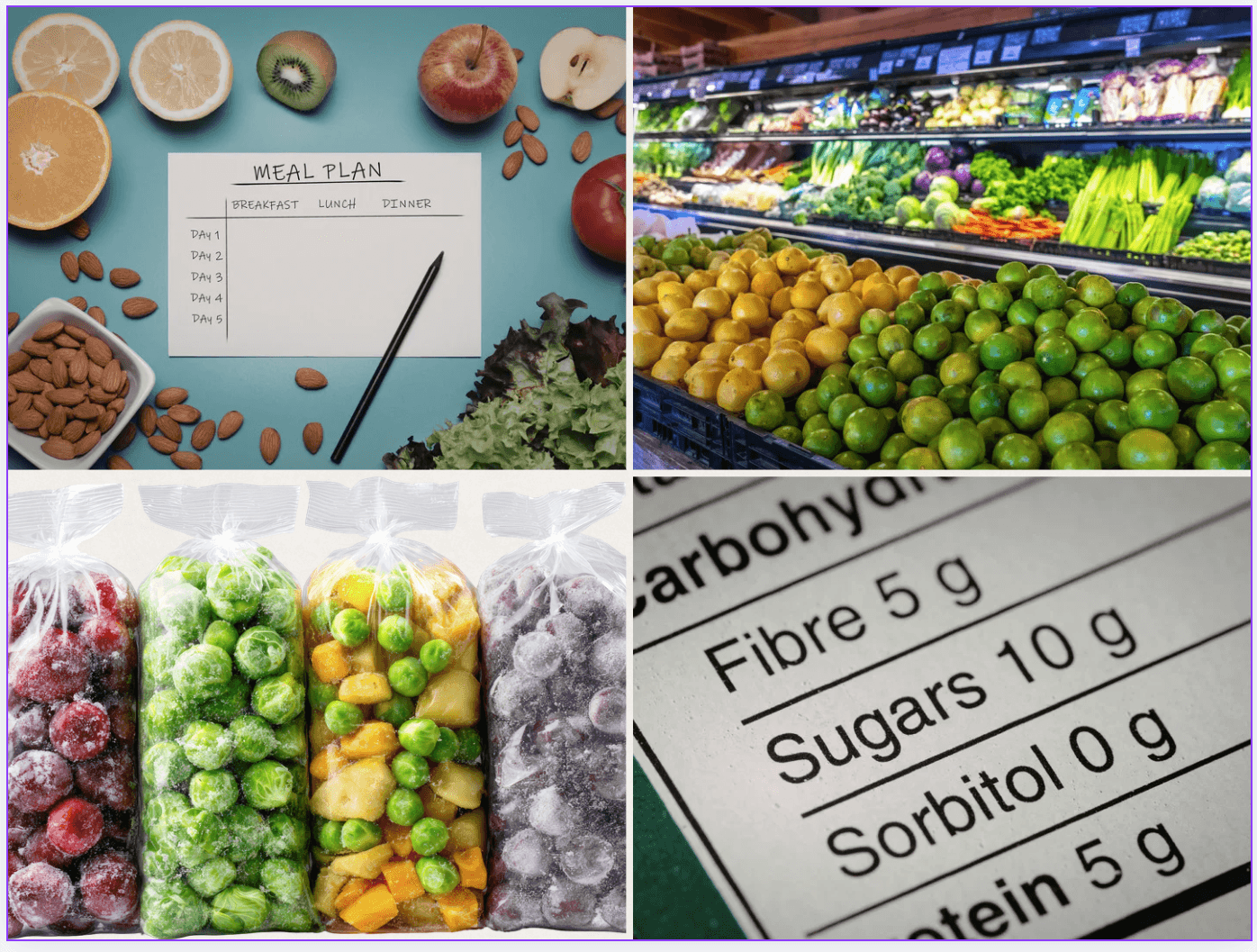
Grocery shopping with a baby or toddler can be a daunting task. However, with a few strategic approaches, you can make it a more efficient and less stressful experience, ensuring your pantry is stocked with nourishing options.
1. Plan Your Meals and Create a Detailed List
This is arguably the most critical step. Before you even think about stepping into a store (or logging onto an online delivery service), dedicate time to meal planning. Consider your family's preferences, your postpartum nutritional needs, and how many meals you want to cook at home.
•Theme Nights: Simplify planning with themes like "Meatless Monday," "Taco Tuesday," or "Pasta Night."
•Batch Cooking: Plan to cook larger quantities of staples like grains, roasted vegetables, or proteins that can be repurposed for multiple meals throughout the week.
•Shopping List Categories: Organize your list by grocery store sections (produce, dairy, pantry, frozen, etc.). This minimizes backtracking and saves time . Many apps can help with this, or a simple pen and paper will do. Stick to your list to avoid impulse buys and reduce waste.
2. Shop Smart: Timing and Location
Choose Your Time Wisely: If possible, shop during off-peak hours when the store is less crowded. This might mean going early in the morning or later in the evening. If you have a partner or support system, consider going alone for a more focused trip.
Leverage Online Shopping & Pickup/Delivery: This is a game-changer for many busy mothers. Ordering groceries online for pickup or delivery can save hours and prevent meltdowns (yours or your child's!). It also helps you stick to your list and avoid impulse purchases .
Shop Seasonally: Produce that is in season is often fresher, more flavorful, and more affordable. Plan your meals around seasonal fruits and vegetables to maximize nutrition and minimize cost .
3. Embrace the Power of Frozen and Canned Goods
Fresh produce is wonderful, but frozen and canned options are equally nutritious and offer incredible convenience, especially when time is short.
•Frozen Fruits and Vegetables: Flash-frozen at their peak ripeness, these retain most of their nutrients and are perfect for smoothies, stir-fries, or quick side dishes. They also reduce food waste .
•Canned Goods: Stock up on canned beans, lentils, diced tomatoes, and fish (like tuna or salmon). Look for low-sodium or no-salt-added varieties. These are pantry staples that can be quickly transformed into healthy meals .
4. Read Food Labels Like a Pro
Here's a quick guide to understanding key label terms:
Label Claim
Low Fat
Sugar-Free
Whole Grain
Organic
Natural
What it Means
May still be high in sugar or sodium to compensate for flavor.
Contains artificial sweeteners, which may have their own health implications.
The product contains all parts of the grain kernel.
Produced without synthetic pesticides, fertilizers, or GMOs.
Loosely regulated term; doesn't necessarily mean healthy or free from additives.
What to Look For
Check sugar and sodium content. Prioritize healthy fats.
Check ingredients for artificial sweeteners.
Look for "100% whole whea" or grain as the first ingredient.
Can be a good choice, but not always nutritionally superior to conventional.
Ignore this term and read the ingredients list.
Budget-Friendly Healthy Eating: Nourishing Your Family Without Breaking the Bank

Eating healthy doesn't have to be expensive. With smart planning and strategic choices, you can provide nutritious meals for your family while staying within your budget.
1. Prioritize Whole Foods
Processed foods, while convenient, are often more expensive per serving and less nutritious. Focus your shopping cart on whole, unprocessed ingredients:
•Produce: Buy in-season fruits and vegetables. Consider frozen options for convenience and cost-effectiveness.
•Grains: Opt for bulk bags of brown rice, oats, and whole-wheat pasta.
•Legumes: Dried beans and lentils are incredibly cheap and versatile. Canned versions are also affordable and convenient.
•Proteins: Eggs, canned tuna/salmon, and chicken thighs are often more budget-friendly than other protein sources. Consider meatless meals a few times a week.
2. Cook at Home More Often
Eating out or ordering takeout is significantly more expensive than cooking at home. Even simple home-cooked meals can be healthier and more cost-effective. Batch cooking on a less busy day can provide healthy options for several meals, reducing the temptation for last-minute takeout .
3. Utilize Sales and Coupons
Keep an eye on weekly flyers and digital coupons. Plan your meals around what's on sale. Stock up on non-perishable items when they are at their lowest price. Many grocery stores have loyalty programs that offer personalized discounts .
4. Reduce Food Waste
Food waste is money wasted. Plan your meals carefully, store food properly, and get creative with leftovers. Use vegetable scraps for homemade broths, and turn overripe fruit into smoothies or baked goods. Freezing portions of meals can prevent spoilage and provide quick options for busy days .
Making Grocery Shopping a Family Affair (When Possible)
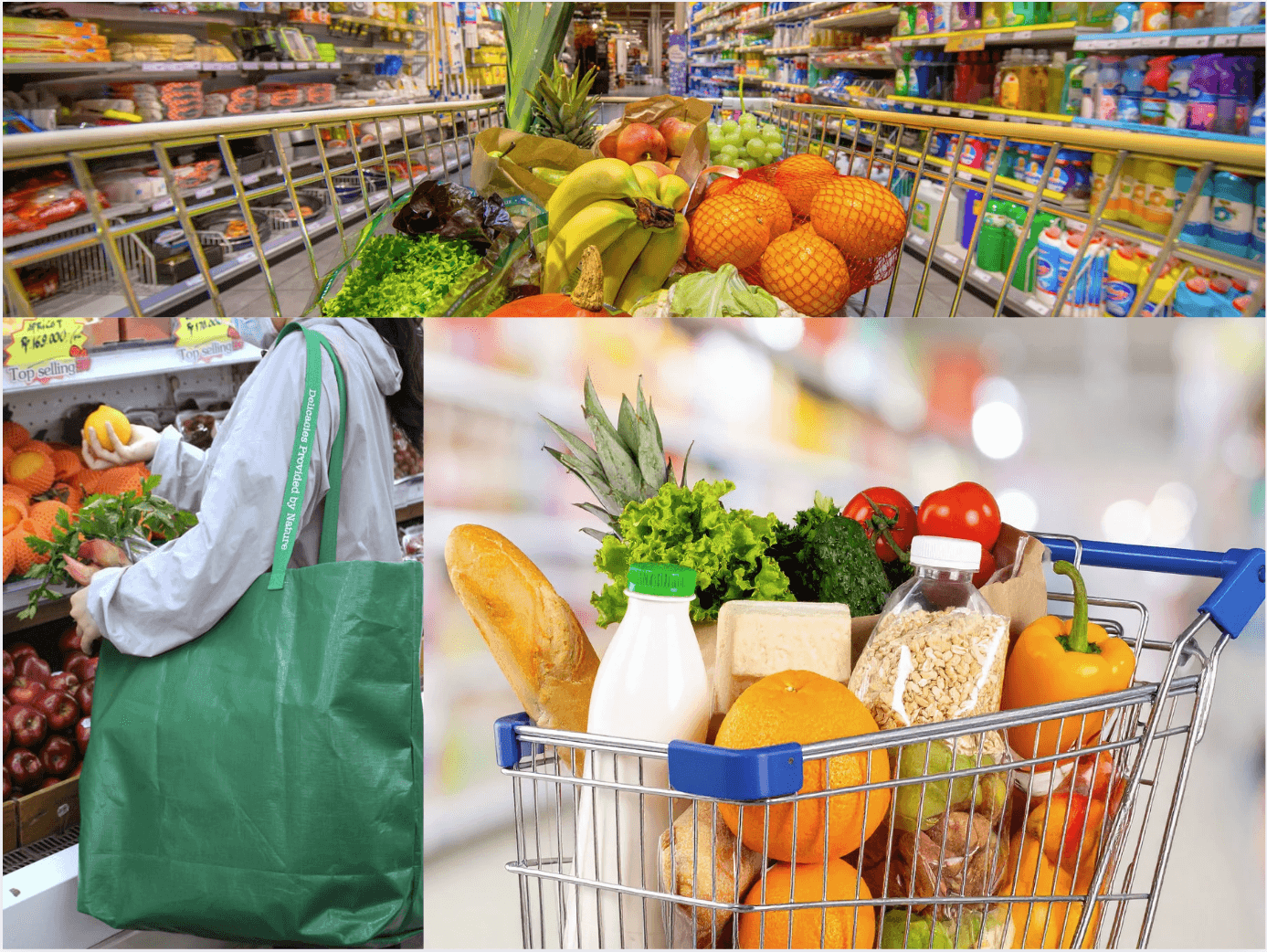
While solo grocery trips can be more efficient, involving older children in the process can be a valuable learning experience.
•Give Them a Task: Let them help find specific items, compare prices (for older kids), or even push the small cart. This keeps them engaged and teaches them about healthy choices .
•Educational Games: Play "I Spy" with colors of produce or ask them to identify different fruits and vegetables.
•Snack Prep: Bring healthy snacks and drinks to avoid meltdowns and impulse buys at the checkout .
Nourishing Your Family, Nurturing Yourself
The postpartum journey is a marathon, not a sprint. Prioritizing healthy eating is an act of self-care that directly impacts your physical recovery, mental well-being, and ability to care for your family. While the demands of new motherhood are immense, remember that nourishing yourself is not a luxury; it's a necessity.
By implementing smart meal planning, strategic grocery shopping, understanding food labels, and making budget-conscious choices, you can create a sustainable system for healthy eating that benefits everyone under your roof. Be patient with yourself, celebrate small victories, and remember that every healthy choice you make contributes to a stronger, more vibrant you, ready to embrace the beautiful chaos of family life.
Are you tired of overpaying at the grocery store and feeling overwhelmed every time you shop? I have a gift for you!
I’m giving away my Ultimate Grocery Shopping & Meal Planner PDF completely for FREE. It’s the exact system I use to stay organized, eat healthy, and save money every single month.
Stop the stress and start saving today!
References
[3] Mayo Clinic. (2025, March 28 ). Breastfeeding nutrition: Tips for moms. Retrieved from
[4] Motherly. (2024, February 20 ). 10 smart grocery tips for moms from a dietitian. Retrieved from
[5] Once Upon a Farm. (n.d. ). 6 Tips for Grocery Shopping with Kids. Retrieved from
[7] American Heart Association. (n.d. ). Added Sugars. Retrieved from
[8] Environmental Working Group. (n.d. ). Good Food on a Tight Budget. Retrieved from
Hi! I’m Anna. I’m a proud mom of two beautiful girls and your guide on
this exciting journey
to a healthier, happier life. Everything I
publish here at here is designed
to inspire you to live your best life.
My mission is simple:
to empower women and busy
moms with practical tips on weight
loss, easy recipes, and the motivation
needed to balance a healthy lifestyle
with the joys (and chaos!)
of motherhood.
Written by: Anna Smith Johnson




Subscribe to our email list and unlock 20 FREE healthy recipes .