Struggling with meal prep? Get my 20 Healthy Recipes for Mom & Baby for FREE!
How to Read a Nutrition Label Without Feeling Confused
Disclosure: This post contains affiliate links. If you click through and make a purchase, I may receive a commission at no additional cost to you. I only recommend products I truly love and use.
The Ultimate Guide to Decoding Nutrition Labels: How to Outsmart the Grocery Store and Fuel Your Family
You’re standing in the cereal aisle. In your left hand, a box with a bright green leaf and the word "Natural" in bold script. In your right hand, the store-brand version that costs three dollars less. Your toddler is currently trying to climb out of the cart, and your mental energy is fading fast. You flip the expensive box over, squint at a wall of tiny numbers, and... just put it back.
Does this sound familiar? You are not alone.
Nutrition labels were designed by scientists and regulatory bodies, for scientists—not for busy women making split-second decisions in a crowded aisle. I believe that knowledge is power, but only if that knowledge is practical.
The good news? You don't need a PhD in biochemistry to feed your family well. Once you understand the "hidden architecture" of a label, you can scan any package in 15 seconds. Here's everything you need to know — no degree required.
The anatomy of a label
Every packaged food in the US (and most of Europe and Australia) must display a standardized nutrition facts panel.
It looks something like this →
Overwhelming at first glance, right? Let's break it down into just the parts that actually move the needle for your family's health.
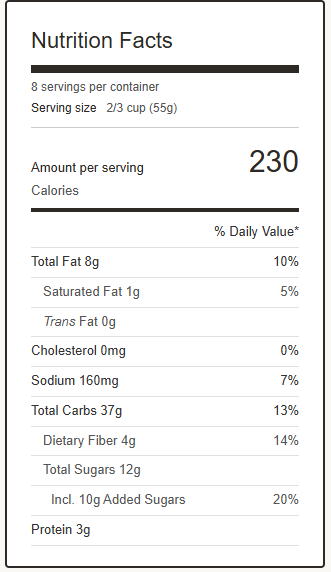
1. The Psychology of the Package (Why Labels are Hard)
Before we look at the black-and-white box on the back, we have to talk about the colorful box on the front. This is called "Front-of-Package Marketing," and it is designed to bypass your logic.
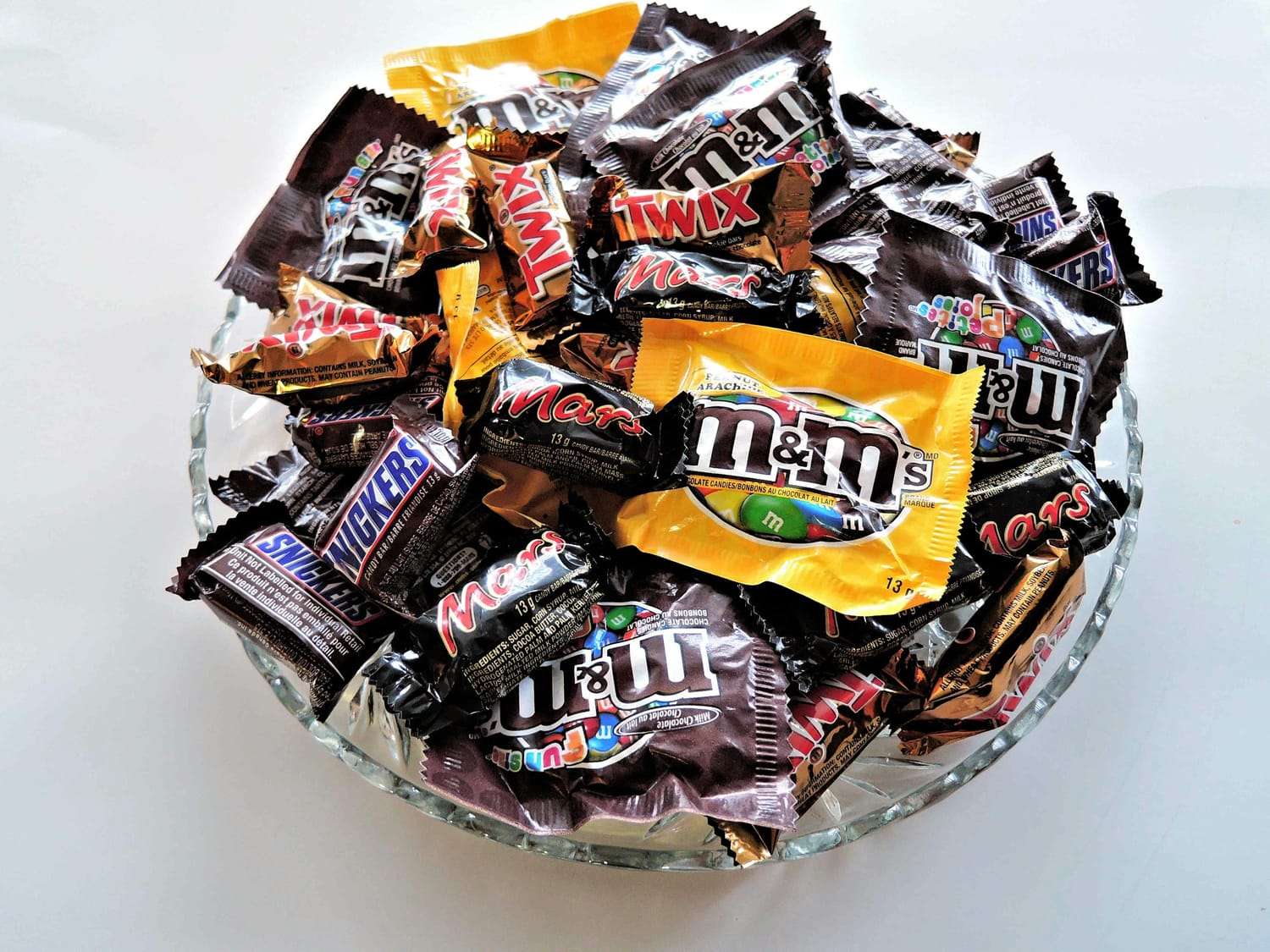
The "Halo Effect"
Food companies use specific buzzwords to create a "Health Halo" around products that might actually be highly processed. Words like Organic, Gluten-Free, Non-GMO, Natural, and Fat-Free make us feel safe. However, a "Gluten-Free" cookie is still a cookie. "Organic" sugar is still sugar.
The Color Palette
Notice how "healthy" snacks often use earthy tones, greens, and matte packaging? This is a psychological trick to make the product feel closer to nature. Our goal today is to flip the box over and look at the facts, ignoring the marketing "noise" on the front.
2. The Anatomy of the Nutrition Facts Panel
Every standardized label is broken down into specific sections. Let’s perform a "Deep Dive" into the sections that actually move the needle for your family’s health.

The Serving Size Trap
The most important line on the label is the very first one: Serving Size.
Everything following that—the calories, the fat, the sugar—is calculated based on that specific amount. Here is the problem: Manufacturers often set serving sizes based on "Reference Amounts Customarily Consumed" (RACC), which are frequently much smaller than a real-life portion.
The Mom Example: You grab a "healthy" bottled smoothie. The label says 110 calories. Sounds great, right? But look closer. The serving size is "half a bottle," and the container holds two servings. If you drink the whole bottle (which everyone does), you’ve actually consumed 220 calories and double the sugar. Or that bag of chips says 150 calories. But the serving size is 12 chips — and you ate about 36. You just had 450 calories, not 150. Always check the serving size first.
The Strategy: Always look at "Servings Per Container" first. If you plan to eat the whole bag or drink the whole bottle, you must multiply every number on that label by the number of servings.
Calories: context over obsession
Calories are a measure of energy. Most adult women need roughly 1,800–2,200 calories per day depending on activity level, and children need less. Rather than counting every calorie, use it as a rough gauge:
1. Under 100 calories per serving — generally a light option (think yogurt, fruit, crackers).
2. 100–300 calories per serving — solid snack or side dish territory.
3. 400+ calories per serving — this is a meal. Fine if it's nutrient-dense; worth a second look if it's mostly fat and sugar.
Calories alone don't tell the whole story. 200 calories of almonds and 200 calories of gummy bears are very different for your body.
3. The "Red Flags"—What to Limit
There are two main culprits on a label that contribute to inflammation, energy crashes, and long-term health issues: Added Sugars and Sodium.
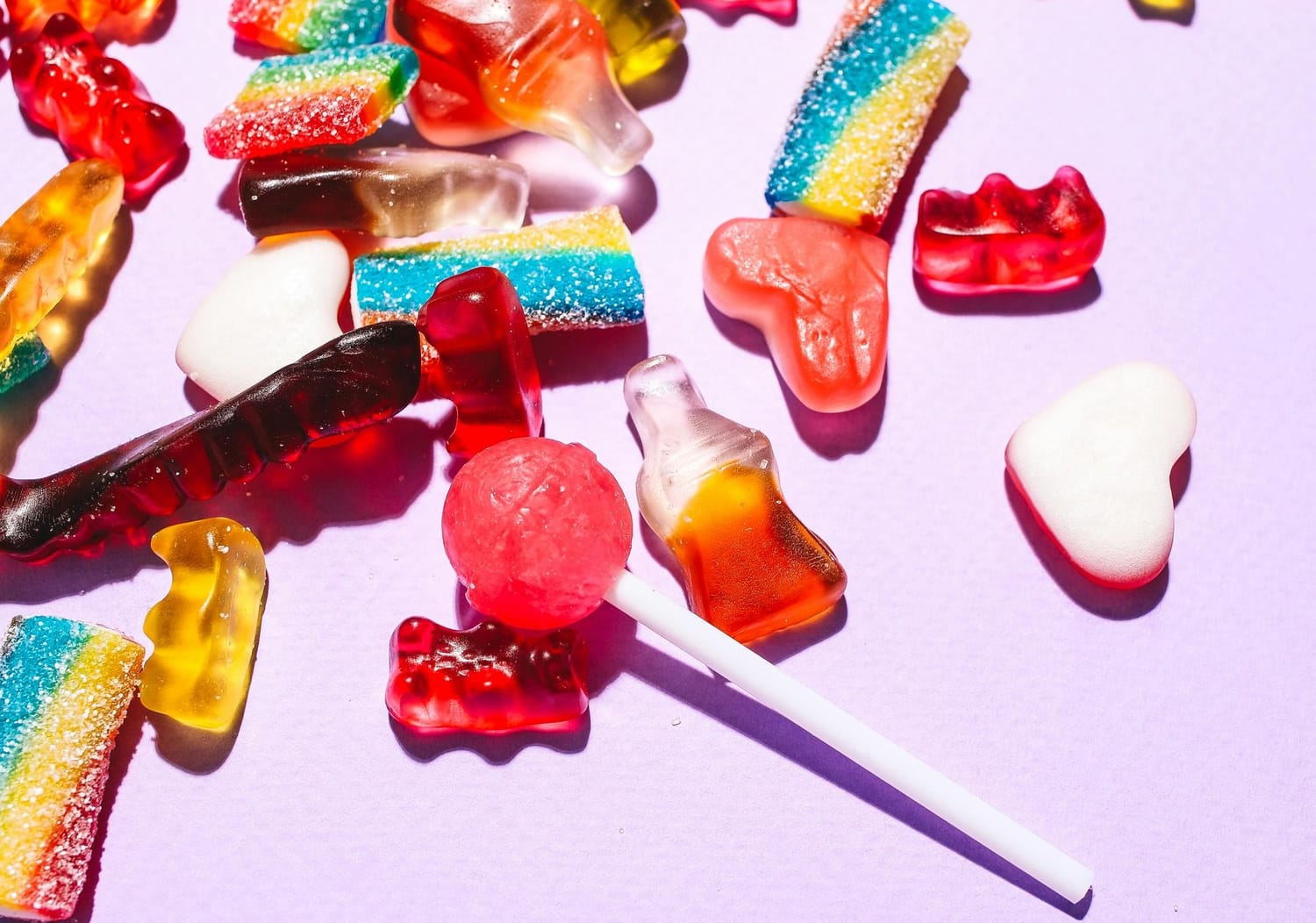
The War on Added Sugars
In recent years, labels have been updated to show "Added Sugars" as a separate line item. This was a massive win for consumers.
Natural Sugar: Found in the lactose of milk or the fructose of fruit. These come with fiber or protein which slows down absorption.
Added Sugar: Anything added during processing (high fructose corn syrup, cane sugar, honey, etc.).
Reality Check: A single "healthy" granola bar can have 12g of added sugar. A flavored latte can have 35g. By 10:00 AM, many women have already doubled their daily recommended limit. High added sugar leads to the "afternoon slump" and increased fat storage around the midsection. A single flavored yogurt can have 20g of added sugar — nearly a full day's worth for adults, and way over for kids. A plain yogurt with a drizzle of honey? Under 5g.
The Silent Salt (Sodium)
Sodium is essential, but in excess, it causes water retention (bloating) and puts pressure on your heart.
Where it hides: 70% of our sodium comes from packaged and restaurant foods, not the salt shaker on your table. Bread, deli meats, and canned soups are the biggest offenders.
The 5/20 Rule: Look at the % Daily Value (%DV) on the right side of the label.
5% or less is considered LOW.
20% or more is considered HIGH.
Aim for foods with 5% or less sodium per serving.
4. The "Green Flags"-The two nutrients to seek out
Now let’s flip the script. Instead of looking for what to avoid, let's look for what to include. This is where we build energy and satiety for you and your kids.
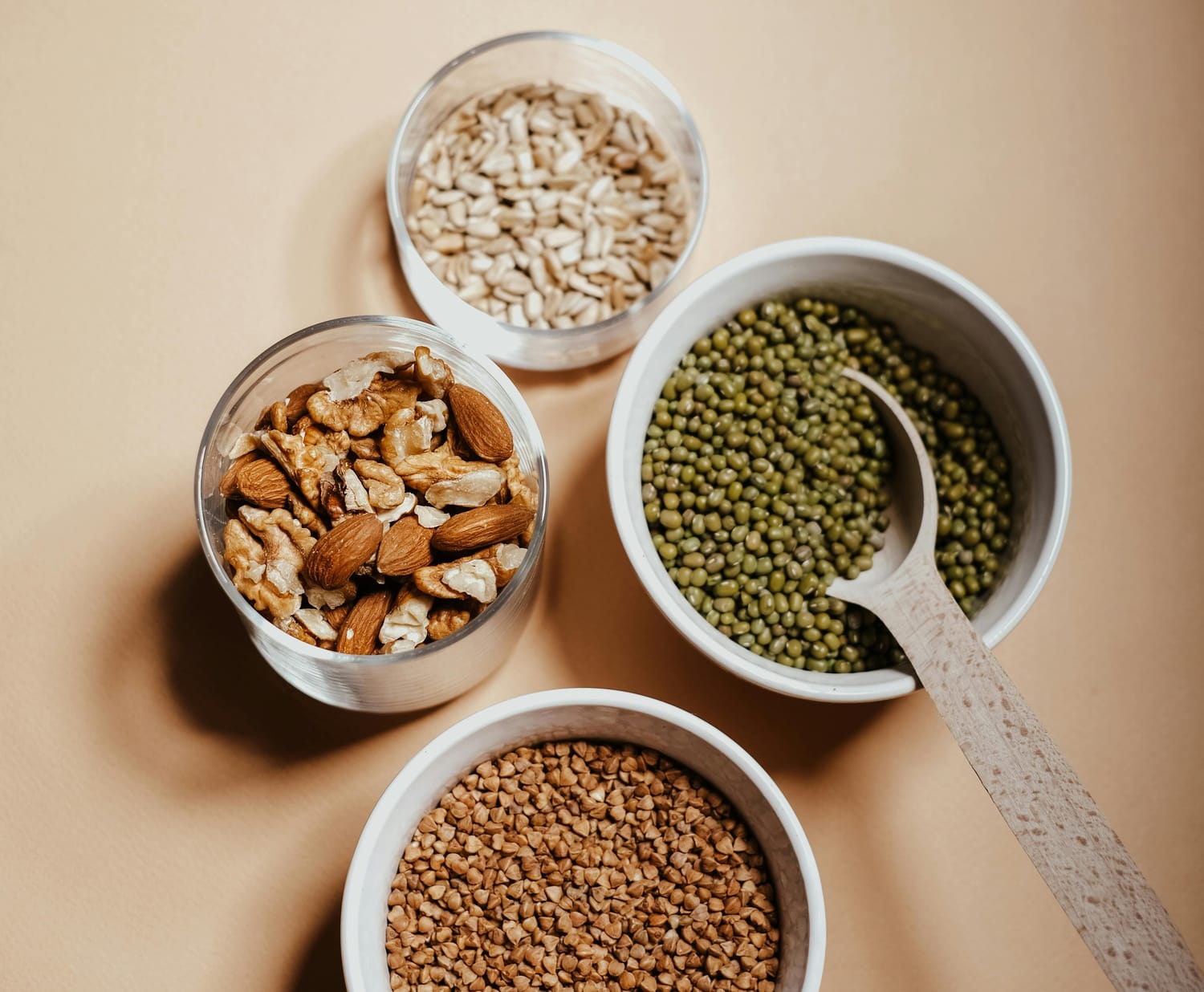
Dietary Fiber: The Unsung Hero
Fiber is the "magic pill" of nutrition. It aids digestion, lowers cholesterol, and—most importantly for busy moms—it keeps you full.
The Goal: Look for 3g to 5g of fiber per serving in breads, cereals, and crackers.
The "Net Carb" Trick: If you see "Net Carbs" on the front of a package, ignore it. Look at the back. Subtract the fiber from the total carbohydrates to get a better idea of how that food will affect your blood sugar. High fiber = slower sugar release = no energy crash.
Protein: The Satiety King
Protein is the building block of muscle and the key to metabolic health.
For Kids: Protein is essential for growth and prevents the "sugar high" followed by a meltdown.
For Moms: Protein helps preserve lean muscle mass, especially if you are in a postpartum weight loss phase.
The Goal: Aim for at least 7-10g of protein in a snack and 20-30g in a meal.
5.The Ingredient List (The Absolute Truth)
If the Nutrition Facts panel is the "summary," the Ingredient List is the "confession." This is where the company has to tell you exactly what is inside.
Rule 1: The Rule of Three
Ingredients are listed in order of weight. The first three ingredients make up the vast majority of what you are eating.
Red Flag: If sugar, juice concentrate, or refined flour (white flour) is in the top three, put it back. If any form of sugar (syrup, cane juice, dextrose, maltose, fructose) appears in the first three ingredients, this is a sweet-heavy food.
Whole food first. Ideally, the first ingredient is a real food — whole grain oats, milk, chicken, tomatoes — not a refined grain, oil, or sweetener.
Rule 2: The "Grandmother" Test
Could your grandmother have recognized these ingredients?
If a label reads like a chemistry textbook (Butylated Hydroxytoluene, Polysorbate 80, Yellow 5), it’s a sign of a highly ultra-processed food. These additives are often used to extend shelf life or "fake" a texture that isn't naturally there.
Shorter is better. Fewer ingredients generally means less processing. You don't need to recognize every word, but a list of 20+ items is a signal.
Rule 3: Hidden Names for Sugar
Food scientists are clever. They know consumers are looking for the word "sugar," so they use aliases. There are over 60 different names for sugar. Watch out for:
Anything ending in "-ose" (Dextrose, Maltose, Fructose).
Syrups (Agave, Corn Syrup, Rice Syrup).
"Natural" sweeteners that act like sugar (Honey, Maple Syrup, Molasses).
6.Specific "Mom Audits"—Common Grocery Staples
Let’s apply these rules to the things you actually buy every week.
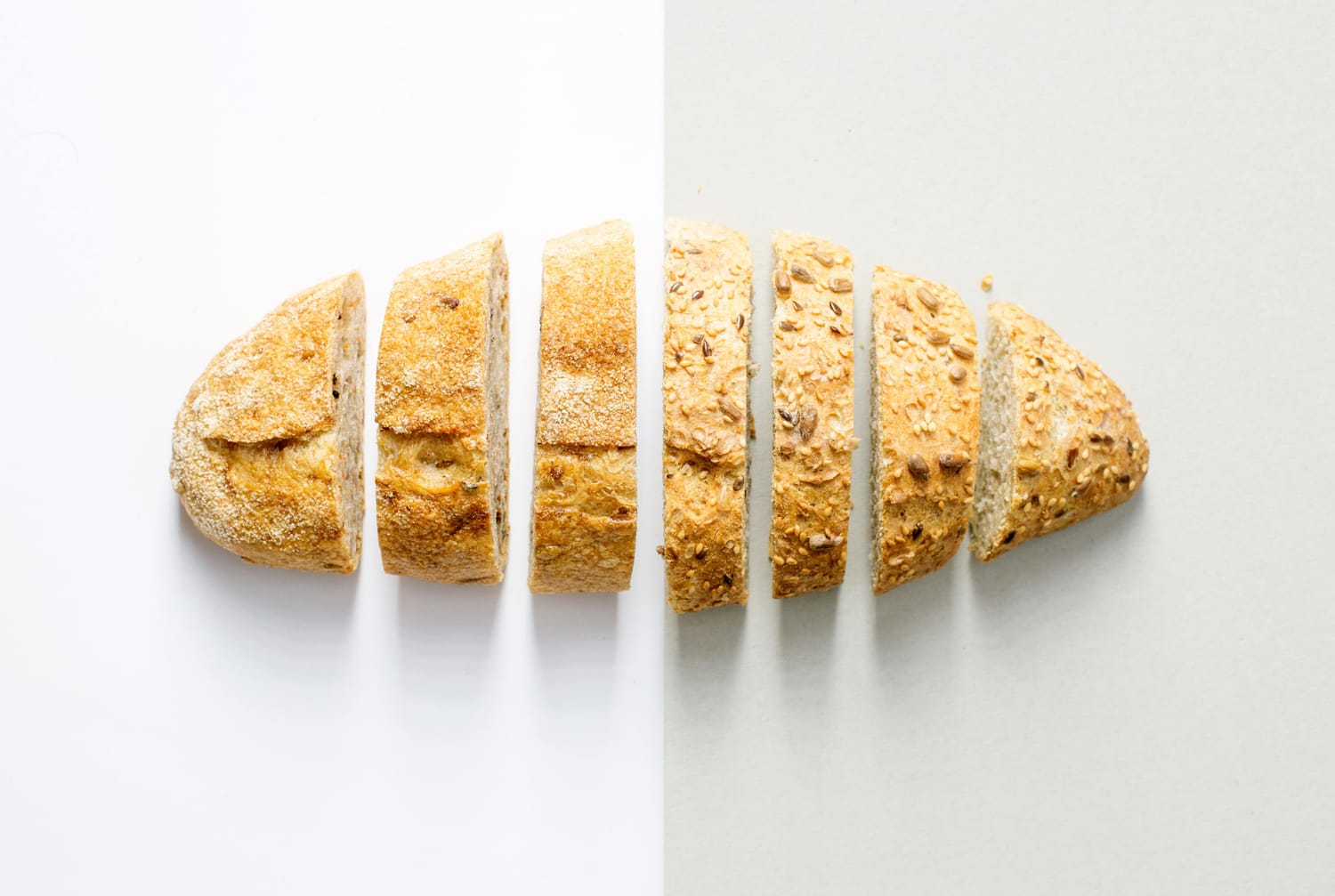
1. The Bread Audit
Most "Whole Wheat" bread is just white bread with a little caramel coloring.
Check: Does the first ingredient say "Whole Grain Wheat" or "100% Whole Wheat"? If it says "Enriched Wheat Flour," it’s refined.
Fiber Check: Does it have at least 3g of fiber per slice?
2. The Yogurt Audit
Yogurt is a health food that turned into a dessert.
Check: Look at the "Added Sugars." Many fruit-on-the-bottom yogurts have more sugar than a donut.
Solution: Buy Plain Greek Yogurt and add your own fruit or a tiny drizzle of honey. You control the dose.
3. The "Kid Snack" Audit (Crackers & Bars)
Fruit snacks are essentially gummy bears with better marketing.
Check: Is the first ingredient "Fruit Juice Concentrate"? That’s just code for sugar.
Look for: Snacks where the first ingredient is a whole food, like nuts, oats, or chickpeas.
7.Your 15-Second Label Scan Strategy
You’re busy. You don't have time to read 2,000 words in the middle of the grocery store.
Memorize these Four Questions:
What's the serving size? Am I actually eating one serving?
How much added sugar? Is it under 10g per serving?
Any fiber or protein? Good if there's at least some.
First ingredient? Is it a real whole food?
That's it. Four questions. You don't need to be a nutritionist — you just need a framework that works in real life, with a cart and a toddler and a budget.
Progress Over Perfection
Our goal isn't to be perfect. We live in the real world. Sometimes, the "12 chips" serving size isn't going to happen, and that’s okay.
Nutrition labels exist to inform you, not intimidate you. The goal of reading labels isn't to restrict yourself—it's to inform yourself. When you know that your favorite "healthy" juice has 40g of sugar, you can choose to have it as a treat rather than a daily habit. You are moving from unconscious eating to conscious choosing. When you understand what you're looking at, you can make small upgrades that add up over time: a higher-fiber bread here, a lower-sugar yogurt there. For you, and for your family.
Next time you go to the store, pick one category (like cereal or salad dressing) and apply these rules. You’ll be shocked at how much "marketing fluff" you can see through once you know the secret language of the label.
You’ve got this, Mama. Rise up, read the label, and fuel your life.
🌟 Let Me Help You More
Navigating a newborn schedule is much easier when you have the right tools and information. Here is how I can support your journey further:
Looking for our guide on postpartum weight loss? We’ve moved and expanded this article to provide you with even more science-backed tips—click here to read -5 Reasons Why You're Not Losing Weight: A Guide for Postpartum Mothers.
Fight the Fatigue & Hair Loss: If your routine is solid but you still feel "gray" and tired, you might be dealing with postpartum depletion. Check out my to reclaim your energy. Postpartum Glow-Up: How to Fight Hair Loss & Fatigue After Baby
References & Further Reading
Hi! I’m Anna. I’m a proud mom of two beautiful girls and your guide on
this exciting journey
to a healthier, happier life. Everything I
publish here at here is designed
to inspire you to live your best life.
My mission is simple:
to empower women and busy
moms with practical tips on weight
loss, easy recipes, and the motivation
needed to balance a healthy lifestyle
with the joys (and chaos!)
of motherhood.
Written by: Anna Smith Johnson




Subscribe to our email list and unlock 20 FREE healthy recipes for mom & baby – designed to make mealtime easier and healthier.